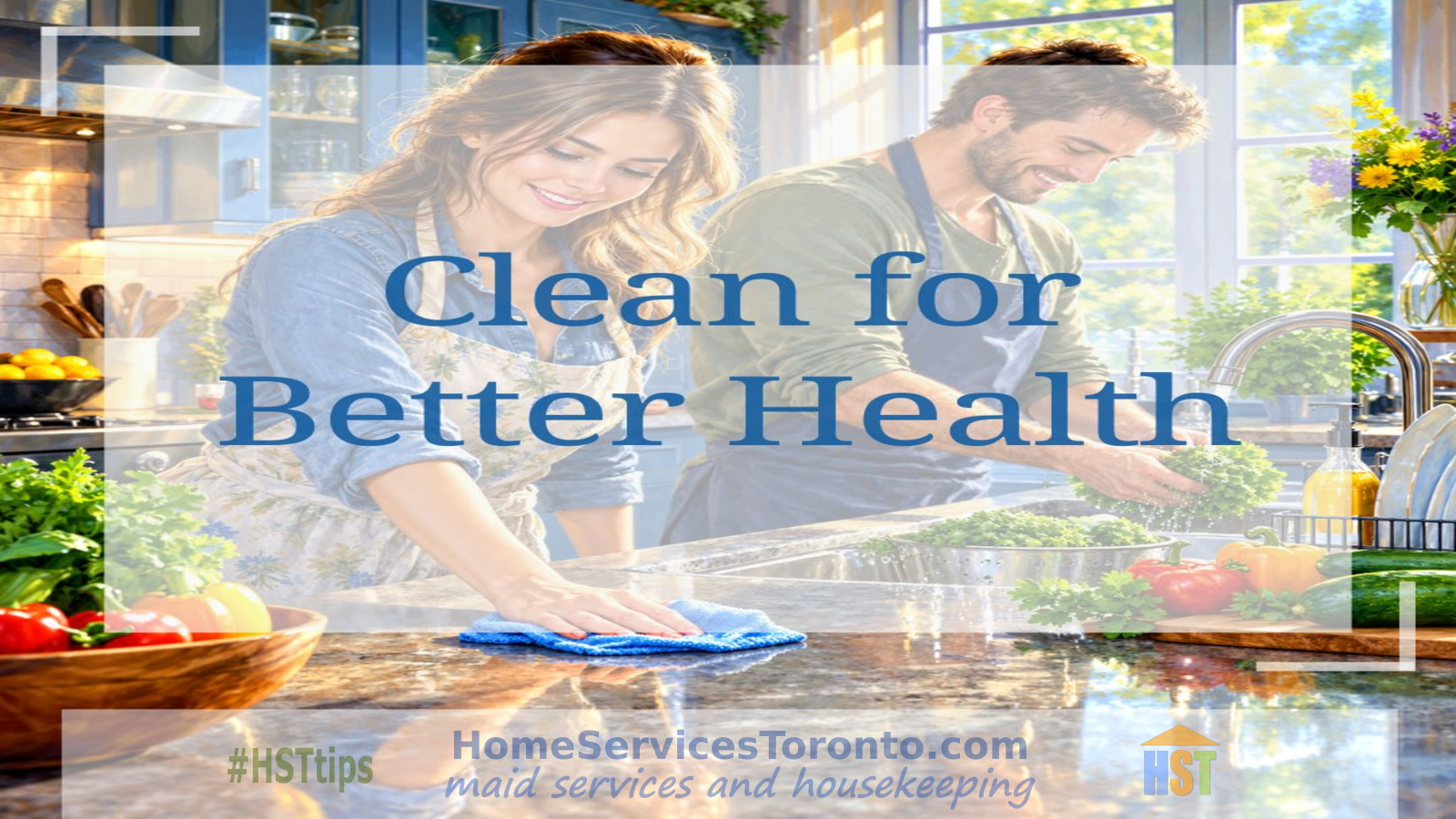
Clean for Better Health
Simple cleaning habits for a healthier, fresher, and more comfortable home.
A clean home is about much more than sparkling countertops, freshly vacuumed carpets, or a bathroom that smells pleasant. The environment we live in every day can influence our physical comfort, mental well-being, and everyday routines. Dust, excess moisture, food residue, and frequently touched surfaces can all affect how healthy our living spaces feel. The good news is that we don't need to spend every weekend scrubbing the house from top to bottom to make a meaningful difference. With a few practical cleaning habits, we can create a home that feels fresher, more comfortable, and easier to maintain.
When we think about cleaning for better health, it's helpful to look beyond appearances. Regular cleaning can reduce the buildup of common allergens, support better food hygiene, and help us identify moisture problems before they become more serious. A tidy environment can also make daily activities feel less overwhelming, especially when work, family responsibilities, and personal commitments compete for our attention. We can achieve these benefits by focusing on the areas that matter most, using appropriate cleaning methods, and creating a routine that fits our lifestyle. Let's explore how we can make our homes cleaner, healthier, and more enjoyable places to live.
1. Understanding the connection between cleanliness and better health
How a clean home supports physical well-being
Our homes should be places where we can relax, sleep, prepare meals, and spend time with the people we care about. However, everyday activities naturally introduce dirt, dust, food particles, and other unwanted materials into our living spaces. Without regular cleaning, these substances can accumulate on floors, furniture, countertops, and other surfaces. A consistent cleaning routine helps manage this buildup and makes everyday spaces more comfortable. Although cleaning cannot eliminate every health risk, it can support a healthier home environment when combined with good ventilation, appropriate food handling, and other sensible household practices.
Different rooms require different approaches because they serve different purposes. In the kitchen, wiping down food-prep surfaces and cleaning up spills supports safe food handling. In the bathroom, regular cleaning removes soap residue and helps control the buildup of grime in damp areas. Bedrooms benefit from laundering bedding, vacuuming floors, and reducing dust on furniture. By understanding the needs of each room, we can spend our cleaning time more effectively instead of treating every surface and space the same way.
The relationship between cleanliness and mental health
Our surroundings can influence how we feel throughout the day. When laundry piles up, dishes cover the counter, and belongings are scattered across every room, it may become harder to relax or concentrate. A more organized environment can make everyday activities feel manageable because we spend less time searching for things or deciding where to begin. Cleaning can also provide a sense of accomplishment, particularly when we break a large task into smaller, achievable steps. While a clean home isn't a substitute for professional mental health support when needed, maintaining our surroundings can be one practical way to support everyday well-being.
We don't need a perfectly organized home to enjoy these benefits. Sometimes, clearing the kitchen counter, making the bed, or putting away items in the living room is enough to make a space feel calmer. We can start with the areas we use most often and gradually develop habits that prevent clutter from becoming overwhelming. It's also worth remembering that homes are meant to be lived in, not constantly staged for photographs. The goal is to create an environment that supports our needs, not to pursue an unrealistic standard of perfection.
Why everyday cleaning habits make a difference
Small cleaning habits are often easier to maintain than occasional marathon cleaning sessions. Washing dishes after meals, wiping up spills promptly, and putting frequently used items back where they belong can prevent messes from accumulating. These simple actions also help us notice problems early, such as a leaking faucet, a sticky cabinet handle, or food residue collecting behind an appliance. Addressing minor issues quickly can reduce the effort required later. Over time, these routines become part of our daily rhythm rather than another demanding task on our to-do list.
Consistency matters more than trying to clean everything at once. We might spend ten minutes tidying the living room each evening, wipe kitchen surfaces after preparing food, and vacuum high-traffic areas several times a week according to household needs. Some tasks, such as washing bedding or cleaning bathroom fixtures, can be scheduled weekly or as needed. The right frequency depends on factors such as pets, allergies, the number of household members, and how much each space is used. By choosing realistic habits, we can maintain a healthier home without making cleaning feel like a full-time job.
2. Creating a healthier indoor environment
Reducing dust, allergens, and airborne irritants
Dust can accumulate on shelves, upholstery, window coverings, baseboards, and many other surfaces throughout the home. Household dust may contain a mixture of fibers, skin flakes, soil, pollen, and other particles, while some homes also contain allergens from pets or dust mites. Regular cleaning helps manage these accumulations and can improve comfort for people who are sensitive to certain indoor allergens. We should pay particular attention to bedrooms, carpets, upholstered furniture, and other areas where dust and allergens may collect. For suitable surfaces, a damp microfiber cloth is often more effective at capturing dust than a dry cloth that simply moves particles around.
Vacuuming also plays an important role, especially when we use a machine equipped with effective filtration. Vacuuming carpets, rugs, and upholstered furniture can remove accumulated debris, while cleaning hard floors helps prevent dust from being redistributed throughout the room. If someone in the household has asthma or allergies, we can consider reducing unnecessary fabric clutter and following appropriate recommendations from their healthcare professional. Good ventilation and suitable air filtration may also help manage certain airborne particles, depending on the source and the equipment used. We should avoid assuming that any single cleaning product or appliance will eliminate every allergen, because different particles require different control methods.
Preventing mold and controlling excess moisture
Moisture management is an important part of cleaning for better health. Mold can grow when materials remain damp, including bathroom grout, window frames, walls, and areas affected by plumbing leaks. Some people experience irritation or allergic symptoms when exposed to mold, and damp buildings can contribute to indoor air quality problems. Cleaning visible surface dirt may help in certain situations, but it won't solve an ongoing moisture problem by itself. We need to identify the source of the dampness, correct leaks, and dry affected materials appropriately.
In bathrooms, using an exhaust fan during showers and afterward can help remove moisture when the fan is properly installed and vented. We can also wipe down wet surfaces, keep shower curtains open to dry, and avoid leaving damp towels crumpled on the floor. In other rooms, condensation around windows or a persistent musty smell may signal that moisture needs further investigation. If mold covers a large area, keeps returning, or is associated with significant water damage, professional assessment may be necessary. We should never mix cleaning chemicals in an attempt to remove mold, especially bleach with ammonia or acidic products, because dangerous gases can result.
Keeping kitchens and bathrooms hygienic
Kitchens and bathrooms deserve particular attention because they combine frequent contact with surfaces, moisture, and other conditions that can encourage contamination or buildup. In the kitchen, we should clean food preparation surfaces after use and promptly remove spills, crumbs, and food residue. Cutting boards, utensils, and dishes need appropriate washing after contact with raw meat, poultry, seafood, or other potentially contaminated foods. We should also clean refrigerator shelves when spills occur and check stored food regularly to prevent spoiled items from remaining unnoticed. These habits help support food safety while making the kitchen more pleasant to use.
Bathrooms benefit from a regular schedule that includes cleaning toilets, sinks, faucets, showers, and other frequently touched surfaces. We can use separate cleaning cloths or clearly identified tools for toilets and food preparation areas to avoid transferring contamination between rooms. Towels should be allowed to dry between uses and laundered regularly, while toothbrushes and personal care items should be stored in suitable conditions. High-touch points, including light switches, cabinet handles, and door handles, should be included in our routine when appropriate. By focusing on these practical details, we can maintain better household hygiene without relying on excessive disinfecting or harsh chemicals for every task.
3. Building a practical cleaning routine
Establishing daily habits for a healthier home
A useful cleaning routine begins with a few simple tasks that address everyday messes before they spread. We can start the morning by making the bed, opening windows when outdoor conditions are suitable, and putting away items that don't belong in the bedroom. After preparing meals, we can wash dishes, wipe food preparation surfaces, and sweep visible crumbs from the floor. In the evening, a short reset of the living room and kitchen can make the next morning easier. These small actions help prevent messes from becoming larger jobs that require more time and effort.
It helps to connect cleaning tasks to activities we already perform. For example, we might wipe the bathroom sink after our morning routine or clear the dining table immediately after dinner. Keeping basic supplies in accessible, appropriate storage locations can make these habits easier to follow. We should still store cleaning chemicals securely and away from children and pets, even when convenience is a priority. The best daily cleaning schedule is one we can follow consistently without sacrificing rest or other important responsibilities.
Deep cleaning the areas we often overlook
Some parts of the home collect dirt gradually and are easy to forget during ordinary tidying. Baseboards, ceiling fan blades, window tracks, the tops of cabinets, and the spaces behind furniture can accumulate dust over time. Appliance handles, refrigerator door seals, and the edges of kitchen cupboards may also need occasional attention. A periodic deep cleaning session allows us to address these less obvious areas before the buildup becomes difficult to remove. We can work through one room at a time rather than attempting the entire house in a single exhausting session.
Creating a rotating checklist makes these jobs easier to remember. One week, we might clean window tracks and dust light fixtures, while the following week we focus on appliance surfaces and furniture underneath. Seasonal cleaning can include washing curtains according to their care instructions, cleaning accessible vents, and checking storage areas for dampness or pests. We should always follow manufacturer guidance when cleaning appliances, electronics, flooring, and other materials that may be damaged by unsuitable products. A little planning helps us achieve a more thorough clean while protecting the items we want to maintain.
Choosing safer cleaning products and tools
The products we use matter because cleaning chemicals can affect indoor air quality and irritate the skin, eyes, or respiratory system when handled incorrectly. We should select products suited to the surface and the task rather than assuming that stronger chemicals will always produce better results. Soap or detergent and water are sufficient for many routine cleaning jobs, while disinfectants are appropriate for specific situations when used according to their labels. We should follow dilution instructions, respect contact times, and ensure suitable ventilation. Gloves or other protective equipment may be appropriate depending on the product and the work involved.
It's also important to remember that natural ingredients are not automatically harmless. Vinegar, essential oils, and other household ingredients can irritate people, damage certain materials, or create risks when combined with incompatible substances. Bleach must never be mixed with ammonia, vinegar, acids, or other cleaning products. We should keep products in their original containers and never transfer them into food or drink bottles. With suitable tools, clear labeling, and careful handling, we can keep our homes clean while reducing unnecessary exposure to cleaning chemicals.
4. Making cleaning easier for the whole household
Organizing cleaning tasks by room and priority
One of the easiest ways to make cleaning more manageable is to organize tasks according to where they need to happen. We can group kitchen tasks, keep bathroom cleaning supplies in a secure, designated location, and maintain a simple checklist for bedrooms and shared living spaces. This approach reduces the time spent moving between rooms and remembering what needs to be done. It also makes it easier to identify which tasks are essential today and which can wait until the next scheduled cleaning session. Instead of feeling pressured to do everything, we can concentrate on the work that makes the biggest practical difference.
A simple schedule might include daily kitchen cleanup, regular bathroom maintenance, and weekly vacuuming and dusting, with adjustments for the household's needs. Homes with pets, young children, or frequent visitors may require more frequent attention in certain areas. A less frequently used guest room may need only occasional cleaning, while a busy entrance can benefit from regular sweeping and shoe organization. We can also keep a small supply of appropriate cleaning tools in convenient locations, provided they remain safely stored. When our cleaning plan reflects how we actually live, it becomes much easier to maintain.
Getting the family involved in healthy habits
Household cleaning doesn't have to be the responsibility of one person. When everyone contributes in age-appropriate ways, everyday maintenance becomes more manageable and helps establish useful habits. Children might put toys away, place dirty clothes in a laundry basket, or help clear the table with supervision. Adults can share tasks such as vacuuming, washing dishes, cleaning bathrooms, and managing laundry according to their schedules. Dividing responsibilities clearly helps prevent misunderstandings and makes the workload more visible.
We can make these shared routines easier by agreeing on simple expectations and keeping supplies organized. A family checklist on the refrigerator can show which tasks need attention without turning every reminder into an argument. It may also help to connect chores to existing routines, such as tidying the living room before relaxing in the evening. Safety should remain a priority, and children should never handle hazardous cleaning chemicals or operate equipment beyond their ability. By working together, we can create a home that is easier to maintain and encourage habits that support everyday comfort and responsibility.
Knowing when professional cleaning services can help
Sometimes, our schedules simply don't leave enough time for every cleaning task. Work commitments, family responsibilities, mobility limitations, and unexpected life events can make it difficult to maintain a regular household routine. Professional house cleaning services can provide practical support by handling tasks such as bathroom cleaning, kitchen maintenance, dusting, vacuuming, and other agreed-upon work. Depending on the service, we may arrange a one-time visit, regular maintenance cleaning, or a more intensive seasonal clean. This flexibility allows us to choose support that suits our household's needs and budget.
Before booking, we can consider which areas need the most attention and communicate any important requirements. For example, we might prioritize bathrooms and kitchens, request particular attention to pet hair, or explain which surfaces require special care. It's sensible to discuss the scope of work, product preferences, scheduling, and any household access arrangements in advance. Professional cleaning can help manage ordinary dirt and buildup, but it doesn't replace specialized services for serious mold problems, hazardous contamination, or major water damage. When we use professional help strategically, we can maintain a cleaner home while freeing up time for other priorities.
5. Maintaining a clean home for long-term wellness
Adjusting cleaning habits for different household needs
Every household has different cleaning requirements, and a healthy routine should reflect those differences. A home with pets may need more frequent vacuuming, regular washing of pet bedding, and additional attention to areas where fur accumulates. Families with young children may need to clean food spills and frequently touched surfaces more often. People with allergies or respiratory sensitivities may benefit from identifying specific triggers and discussing suitable environmental changes with a healthcare professional. These adjustments help us focus on practical needs rather than following a rigid schedule that may not suit our circumstances.
Older adults and people with limited mobility may also need a different approach to household maintenance. Keeping frequently used items within easy reach, removing trip hazards, and arranging regular help with demanding chores can make the home easier to navigate. We should avoid climbing on unstable furniture or carrying heavy cleaning equipment when doing so creates unnecessary risk. If cleaning becomes physically difficult, asking family members for help or arranging professional assistance can be a sensible option. A healthy home should support the people living in it, which means adapting our routines as circumstances change.
Keeping clutter under control to reduce stress
Clutter can make cleaning more time-consuming because every extra item creates another surface, obstacle, or storage decision. When countertops are crowded and floors are covered with belongings, it becomes harder to wipe surfaces thoroughly or vacuum efficiently. Reducing unnecessary clutter allows us to reach more areas and makes routine maintenance less frustrating. We can start with one small space, such as a bedside table, a kitchen drawer, or the entryway, and decide which items we use regularly. Gradual progress is often more sustainable than trying to reorganize the entire house over a single weekend.
Simple storage habits can help us maintain that progress. We might use baskets for frequently used items, assign a specific place for keys and mail, and return belongings to their designated locations after use. Before buying additional organizers, it's worth deciding whether some items can be donated, recycled, or discarded responsibly. We should also avoid treating every possession as clutter simply because it isn't used daily, since sentimental and seasonal items may have genuine value. The objective is to make our living spaces easier to use and clean, not to eliminate everything that makes a house feel personal.
Making healthy cleaning habits last
Long-term success comes from building a routine that can survive busy weeks, unexpected changes, and ordinary tiredness. We can begin with two or three essential habits and add more only when the existing routine feels manageable. Keeping a short checklist helps us track important jobs without relying entirely on memory. It can also be useful to schedule demanding tasks for times when we have enough energy and to spread deep cleaning across several days. This approach makes household maintenance feel more predictable and reduces the pressure to complete everything immediately.
We should also recognize that occasional mess is normal. A busy week, a family gathering, or an illness can interrupt even the most organized cleaning schedule. Rather than abandoning our routine because we've fallen behind, we can restart with the basics: remove rubbish, clean food preparation surfaces, address bathroom hygiene, and clear the areas we use most often. Once those priorities are handled, we can gradually return to our usual schedule. By focusing on steady progress rather than perfection, we can maintain a cleaner environment that supports our comfort, routines, and overall quality of life.
Conclusion
Cleaning for better health doesn't require a spotless home or an endless list of chores. It starts with understanding how everyday maintenance, moisture control, dust removal, food hygiene, and clutter management contribute to a more comfortable living environment. We can make meaningful progress by establishing realistic routines, choosing appropriate cleaning products, and giving extra attention to the areas that need it most. Sharing responsibilities with family members and seeking professional cleaning assistance when necessary can make those habits easier to sustain. Most importantly, we should remember that a healthy home works for the people living in it. Start with one manageable task today, build on that progress tomorrow, and let small, consistent habits make a lasting difference.
Frequently asked questions
1. How often should we clean our home for better health?
Frequently used areas such as kitchens and bathrooms benefit from regular maintenance, while floors, bedding, and other surfaces should be cleaned according to household needs. Homes with pets, children, allergies, or heavy daily use may require more frequent cleaning in specific areas.
2. Can regular house cleaning help reduce allergy symptoms?
Regular dust removal, appropriate vacuuming, and washing bedding can help reduce exposure to some common indoor allergens. Results vary depending on the allergen involved, so people with persistent symptoms should consult a healthcare professional about additional measures.
3. What should we clean first when our home is very dirty?
Start by removing rubbish, clearing food preparation surfaces, and addressing spills or other immediate hygiene concerns. Then move through the kitchen, bathroom, and main living areas before tackling less urgent tasks such as detailed dusting and organizing storage spaces.
4. Are natural cleaning products always safer than chemical cleaners?
No, natural ingredients can still irritate the skin or respiratory system and may damage certain surfaces. Choose products appropriate for the task, follow label instructions, and never mix cleaning ingredients unless the manufacturer explicitly confirms that doing so is safe.
5. Does a clean bedroom improve sleep quality?
A tidy bedroom can make the space feel more comfortable and help reduce distractions that interfere with a relaxing bedtime routine. Washing bedding regularly and managing dust may also improve comfort for people who are sensitive to certain allergens.
6. How can we keep our home clean when we're busy?
Focus on short daily tasks, prioritize high-use areas, and divide larger cleaning jobs across the week. If your schedule remains demanding, consider asking household members to share responsibilities or arranging professional cleaning assistance.
7. When should we hire professional house cleaners?
Professional cleaning may be helpful when routine maintenance becomes difficult to manage, when you need a deeper clean, or when work and family commitments leave little time for household chores. For serious mold growth, hazardous contamination, or major water damage, seek appropriately qualified specialists rather than relying on ordinary house cleaning.
Discover specialized home care services for every household
A healthier home starts with a cleaning routine that fits your lifestyle, schedule, and household needs. Whether you need occasional help with busy areas or ongoing support to keep everyday mess under control, choosing the right service can make household maintenance much easier. Our regular house cleaning services can help you maintain cleaner floors, fresher living spaces, and consistently tidy rooms without having to manage every task yourself. If your home needs extra attention after a long winter or a change of season, our spring cleaning services offer an opportunity to tackle accumulated dust, overlooked surfaces, and areas that need a more thorough refresh. With the right support, we can spend less time worrying about household chores and more time enjoying a clean, comfortable home.
Discover more home care tips
Looking for more practical ways to maintain a fresher, healthier home? Explore our guide to eliminating dust mites and hidden mold to learn why indoor dust and moisture deserve attention, then discover 10 cleaning hacks that save time and simple ways to make everyday chores more manageable. You can also explore our time-saving cleaning tips for ideas to help streamline your routine and keep your living spaces organized. These helpful resources complement our guide to cleaning for better health, giving you more practical ways to care for your home without letting chores take over your day.