
Hidden Cleaning Habits That May Be Harming Your Cookware
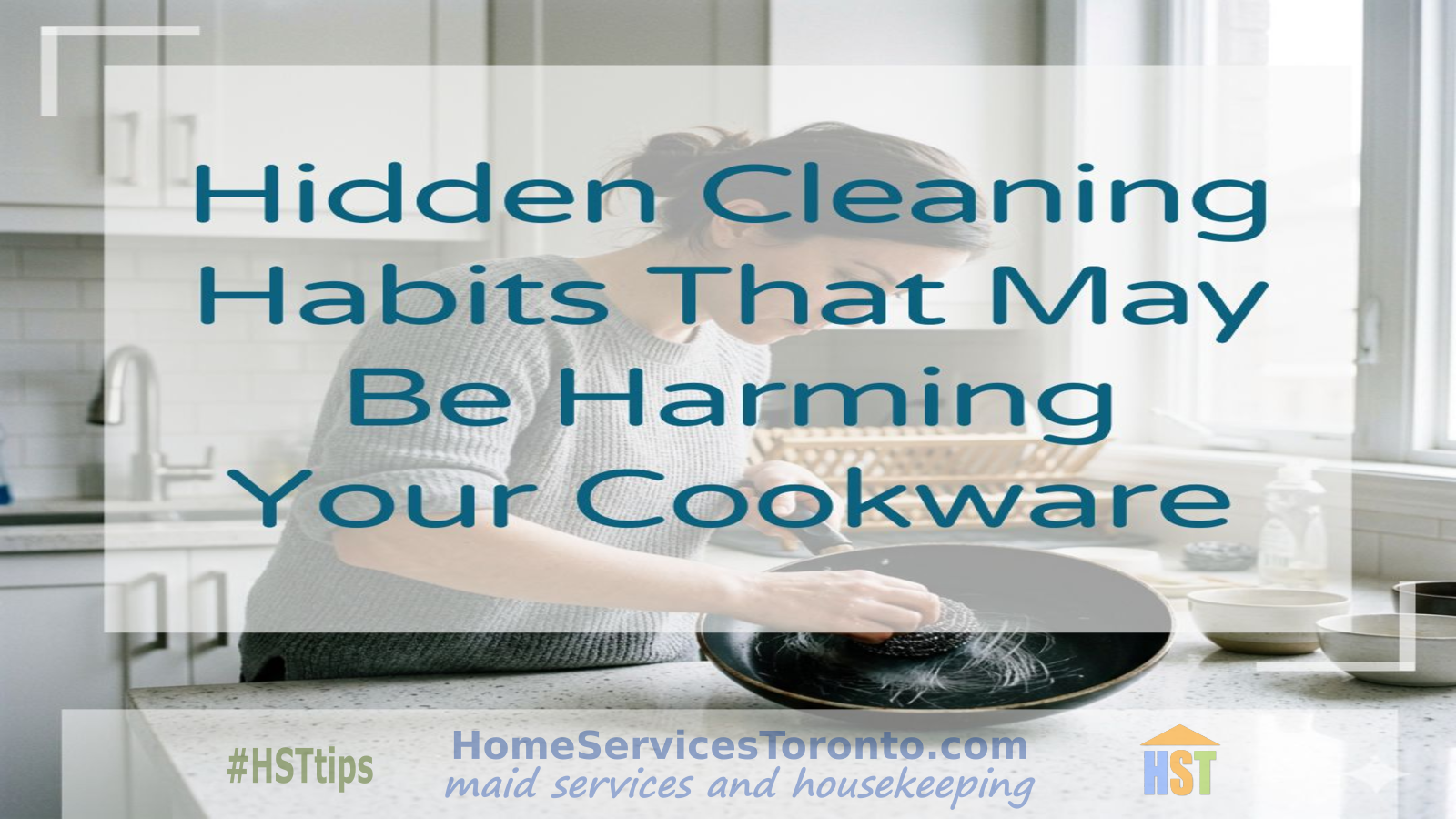
Common cleaning mistakes that quietly ruin your cookware
Cookware is one of the most used investments in any kitchen, yet it is also one of the most commonly mistreated. Many of us believe we are doing the right thing by keeping pots and pans spotless, but some everyday cleaning habits may actually be causing long-term damage. These hidden mistakes can reduce performance, shorten lifespan, and even affect how food cooks. The truth is, proper cookware care goes beyond just washing and drying. It requires a more thoughtful approach to how we clean, store, and maintain these essential tools. Let’s break down the habits that might be quietly ruining your cookware and how to fix them.
1. Everyday cleaning habits that damage cookware
Using abrasive scrubbers on delicate surfaces
Using abrasive scrubbers on delicate surfaces is one of the most common cleaning habits that damages cookware. While it may feel satisfying to scrub away stubborn residue, these rough tools can strip away protective coatings, especially on nonstick and stainless steel pans. Over time, this leads to scratches that make cookware less effective and more prone to sticking. Even ceramic surfaces can lose their smooth finish when exposed to harsh scrubbing. Instead of improving cleanliness, abrasive scrubbers often create microscopic damage that builds up with every wash. Switching to softer sponges or cloths can preserve the integrity of your cookware and extend its usability. Gentle cleaning may take a bit longer, but it prevents long-term damage.
Overusing harsh chemical cleaners on pots and pans
Overusing harsh chemical cleaners on pots and pans can weaken materials and degrade finishes faster than expected. Many strong cleaning products contain ingredients that react with metals or coatings, leading to discoloration or erosion. While these cleaners promise quick results, they often leave behind residues that affect both performance and safety. Nonstick coatings are particularly vulnerable, as chemicals can break down their structure over time. Even stainless steel can lose its shine and develop dull spots when exposed to aggressive cleaners repeatedly. Choosing mild dish soap and warm water is often enough for everyday cleaning. Keeping things simple helps maintain both the look and function of your cookware.
Ignoring the manufacturer's cleaning instructions
Ignoring the manufacturer's cleaning instructions is another hidden mistake that harms cookware. Each type of cookware is designed with specific materials and coatings that require tailored care. When instructions are overlooked, it becomes easy to use the wrong cleaning method without realizing the consequences. For example, some pans are not dishwasher safe, while others require seasoning or special handling. Skipping these guidelines can void warranties and reduce product lifespan. Taking a few minutes to review proper care instructions can save money and prevent frustration later. Following recommended cleaning practices ensures your cookware performs as intended for years.
2. Dishwashing mistakes that shorten cookware lifespan
Loading cookware incorrectly in the dishwasher
Loading cookware incorrectly in the dishwasher can lead to scratches, dents, and uneven cleaning. When pots and pans are placed too close together, they can knock against each other during the wash cycle. This contact causes surface damage, especially on coated cookware. Larger items can also block water flow, preventing proper cleaning and leaving residue behind. Over time, repeated improper loading leads to visible wear and reduced efficiency. Giving each item enough space allows water and detergent to do their job properly. Careful placement protects cookware from unnecessary damage.
Using high-heat dishwasher cycles too often
Using high-heat dishwasher cycles too often can weaken cookware materials. While high temperatures help sanitize dishes, they can also break down coatings and warp certain metals. Nonstick surfaces are especially sensitive to heat exposure during washing cycles. Repeated use of high heat settings accelerates wear and reduces performance. Lower temperature settings are usually sufficient for everyday cleaning and help preserve the quality of cookware. Adjusting dishwasher settings is a simple change that can make a big difference in longevity.
Mixing incompatible materials during washing
Mixing incompatible materials during washing can create chemical reactions and physical damage. For instance, aluminum cookware can react with certain detergents or come into contact with harder materials that scratch its surface. Combining different types of cookware in one load increases the risk of damage due to varying durability levels. Some materials require gentler cycles, while others can withstand more intense cleaning. Keeping similar items together reduces the chance of unnecessary wear. This small adjustment helps maintain consistency in care and protects cookware from avoidable damage.
3. Improper drying and storage techniques
Stacking cookware without protection
Stacking cookware without protection is a silent cause of scratches and dents. When pots and pans are piled directly on top of each other, their surfaces rub together and create damage over time. This is especially problematic for nonstick and coated cookware, where even small scratches can impact performance. Using protective liners or cloths between items helps prevent direct contact. Organized storage keeps cookware in better condition and makes it easier to access. Taking a few extra seconds to stack properly can extend the life of your kitchen tools significantly.
Letting cookware air dry improperly
Letting cookware air dry improperly can lead to water spots and mineral buildup. When water is left to evaporate on surfaces, it often leaves behind residues that dull the appearance of cookware. In some cases, this can also contribute to corrosion, especially with certain metals. Drying cookware with a clean towel helps remove moisture completely and prevents buildup. It also reduces the risk of bacterial growth in hard-to-reach areas. Proper drying is a simple step that improves both hygiene and longevity.
Storing damp pots and pans in cabinets
Storing damp pots and pans in cabinets creates the perfect environment for moisture-related damage. Trapped moisture can lead to rust, unpleasant odors, and even mold in extreme cases. Cabinets with limited airflow make the problem worse, allowing humidity to linger. Ensuring cookware is fully dry before storage helps maintain its condition. Proper ventilation and spacing also play a role in preventing moisture buildup. Dry storage habits are essential for keeping cookware in top shape.
4. Heat-related cleaning habits that cause long-term damage
Cleaning hot cookware immediately after use
Cleaning hot cookware immediately after use can cause warping and structural stress. When hot pans come into contact with water or cleaning tools, the sudden temperature change can damage the material. This is especially true for metals that expand and contract with heat. Allowing cookware to cool before cleaning helps maintain its shape and durability. Patience in this step prevents long-term issues that affect cooking performance. It is a small habit that makes a big difference over time.
Using cold water on overheated pans
Using cold water on overheated pans is a common mistake that leads to thermal shock. This sudden temperature change can warp the pan or even cause cracks in certain materials. Once warped, cookware no longer sits evenly on the stove, leading to uneven cooking. Avoiding this habit helps preserve both function and appearance. Letting pans cool naturally before rinsing is the safest approach. Consistency in this practice protects your investment.
Exposing cookware to extreme temperature changes
Exposing cookware to extreme temperature changes weakens its structure over time. Rapid shifts from hot to cold or vice versa create stress within the material. This stress can lead to warping, cracking, or reduced performance. Gradual temperature changes are always safer and more effective. Being mindful of how cookware is handled during cleaning prevents unnecessary damage. Long-term care depends on avoiding these sudden extremes.
5. Neglected maintenance habits that reduce cookware performance
Skipping regular seasoning for certain cookware types
Skipping regular seasoning for certain cookware types, such as cast iron, reduces their effectiveness. Seasoning creates a protective layer that enhances nonstick properties and prevents rust. Without it, cookware becomes more vulnerable to damage and harder to use. Regular maintenance keeps these surfaces in optimal condition. Taking time to season cookware ensures better performance and longevity. It is a simple habit with long-lasting benefits.
Ignoring small scratches and surface wear
Ignoring small scratches and surface wear allows damage to worsen over time. What starts as minor wear can develop into larger issues that affect cooking quality. Scratches on nonstick surfaces, for example, can lead to food sticking and uneven heating. Addressing these issues early helps prevent further deterioration. Regular inspection keeps cookware functioning properly. Staying proactive with maintenance saves time and money.
Using improper tools that weaken cookware over time
Using improper tools that weaken cookware over time is a habit that often goes unnoticed. Metal utensils can scratch and damage surfaces, especially on coated pans. Even stirring tools can contribute to wear if they are too hard or abrasive. Switching to silicone or wooden utensils helps preserve cookware. Choosing the right tools is just as important as proper cleaning. Small changes in daily use can significantly extend the life of your cookware.
Conclusion
Taking care of cookware is not just about keeping it clean; it is about preserving its performance and durability. Many everyday cleaning habits that seem harmless can actually cause long-term damage when repeated over time. By adjusting how we clean, dry, and store cookware, we can extend its lifespan and maintain better cooking results. Small changes, like using gentle tools and avoiding extreme temperatures, make a noticeable difference. Consistent care leads to better outcomes in the kitchen. When we treat cookware properly, it continues to serve us well for years.
FAQs
1. Can I use steel wool on stainless steel cookware?
Steel wool can scratch the surface of stainless steel cookware and should be avoided for regular cleaning. Use softer scrubbers to maintain the finish and prevent damage.
2. Is it safe to put all cookware in the dishwasher?
Not all cookware is dishwasher safe, especially nonstick and cast-iron items. Always check manufacturer guidelines before placing cookware in the dishwasher.
3. Why does my nonstick pan lose its coating over time?
Frequent use of high heat and abrasive cleaning tools can break down the coating. Proper care helps extend the life of nonstick surfaces.
4. How often should I season cast-iron cookware?
Season cast iron cookware regularly, depending on use, typically after every few washes. This maintains its nonstick surface and prevents rust.
5. What causes cookware to warp?
Rapid temperature changes and exposure to high heat can cause warping. Allow cookware to cool naturally before cleaning.
6. Can I stack pots and pans without protection?
Stacking without protection can lead to scratches and surface damage. Use liners or cloths to prevent direct contact.
7. What is the best way to dry cookware?
Dry cookware immediately with a clean towel to prevent water spots and rust. Proper drying ensures long-lasting performance.
Tailored home care solutions designed around your lifestyle
Keeping your home and kitchen in top shape takes more than quick fixes; it requires consistent and professional care. If you are looking for reliable support, explore regular house cleaning services that keep your space spotless without the stress. These services are designed to fit your routine and maintain high standards of cleanliness. For those times when you need a deeper reset, one-time house cleaning services provide a thorough, detailed clean that tackles buildup and hard-to-reach areas. Choosing the right service ensures your home stays clean, organized, and easier to manage over time. Professional care helps protect not just your cookware, but your entire living space.
Discover more home care tips
If you want to go beyond cookware care and improve your entire home routine, check out these helpful reads. Learn how small habits create bigger messes, and how surprising habits make your home dirtier, with everyday actions broken down clearly. You can also prevent long-term bathroom issues by using a bathroom fan properly and avoiding mold issues. A simple guide to avoiding moisture damage. For better organization at home, explore simple closet mistakes that create family clutter and see how small changes can make a big difference.