
Protect Your Cookware By Keeping These Items Out Of Dishwashers
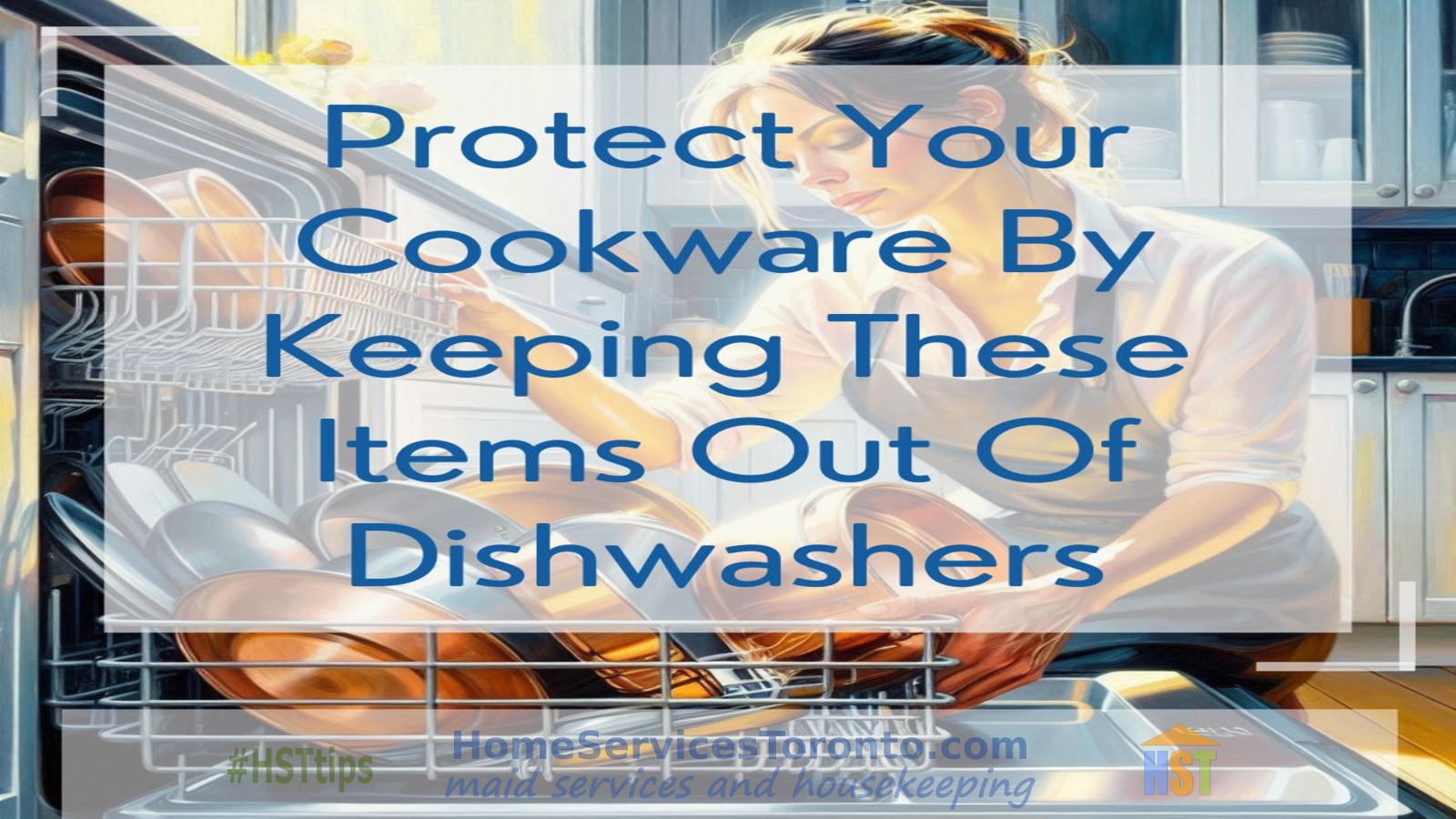
Protect your delicate cookware from dishwasher damage
Cookware is an investment, whether you cook every day or only on weekends. The problem is not cooking wear and tear. The real damage often happens during cleanup. Dishwashers are convenient, fast, and efficient, but they are not safe for every pot, pan, or kitchen tool. High heat, harsh detergents, and aggressive water pressure can quietly destroy materials over time.
We see it all the time. Warped pans, dull knives, peeling coatings, and rusted surfaces. Most of it is preventable. When you know what should stay out of the dishwasher, you extend the life of your cookware, protect performance, and save money long term.
Below is a clear breakdown of what to keep out and how to care for it properly.
1. Understanding why some cookware should never go in dishwashers
How dishwasher detergents affect cookware surfaces
Dishwasher detergents are far more aggressive than hand-washing soap. They are designed to break down baked-on food, grease, and stains using alkaline compounds and enzymes. While effective on plates and glassware, they are brutal on cookware finishes. Non-stick coatings, anodized layers, and polished metals all react poorly to these chemicals.
Over time, detergents strip protective layers that manufacturers apply to cookware. Once those layers are gone, the base material becomes exposed. This leads to discoloration, sticking, and faster wear. You might not notice after one cycle, but repeated washing accelerates the breakdown.
Even premium cookware is vulnerable. High-end brands often specify hand washing only for this reason. Protecting surface integrity starts with understanding what detergent chemistry actually does.
The impact of high heat and water pressure on materials
Dishwashers combine heat and pressure to sanitize dishes. That environment is harsh. Water temperatures can exceed what many cookware materials tolerate safely. Add forceful spray arms, and you get constant impact against surfaces. Non-stick pans can warp. Aluminum can pit. Thin stainless steel can lose shape. The pressure also knocks cookware into other items, causing scratches and dents. Lids get loose. Rivets weaken. Handles degrade. Heat expansion and contraction during drying cycles add another stress layer. Materials expand when hot and contract when cool. Repeating that cycle weakens structural integrity over time.
Long-term damage caused by repeated dishwasher cycles
One dishwasher cycle rarely destroys cookware. The damage is cumulative. Coatings thin out slowly. Metals dull gradually. Seasoning layers disappear bit by bit. Eventually, performance drops. Food sticks. Heat distribution changes. Cleaning becomes harder, not easier. That is when most people replace cookware prematurely. Avoiding dishwasher exposure is less about immediate destruction and more about preserving long-term usability. Hand washing takes minutes but can add years to cookware's lifespan.
2. Non-stick cookware and dishwasher risks
Why non-stick coatings break down in dishwashers
Non-stick cookware relies on a bonded coating layer. That layer is engineered to release food easily and reduce oil usage. Dishwasher environments attack that bond directly. High heat softens coatings. Detergents erode them. Water pressure creates microabrasions. Over time, the smooth surface becomes rough and patchy. Once the coating degrades, food starts sticking. Cleaning becomes difficult. The pan loses its core benefit. At that stage, replacement is the only fix.
How detergents strip protective layers
Most non-stick pans include a protective top seal over the coating. Dishwasher detergents break that seal down first. Once exposed, the base non-stick layer deteriorates faster. You may notice fading color, chalky residue, or uneven texture. These are early warning signs. Continued dishwasher use accelerates peeling and flaking. Hand washing with mild soap preserves that protective barrier. It keeps the coating intact and functional much longer.
Best hand washing methods for non-stick pans
Cleaning non-stick cookware is simple when done right. Let the pan cool first. Rinsing hot pans can warp them. Use warm water, mild dish soap, and a soft sponge. Avoid steel wool or abrasive pads. They scratch coatings instantly. For stuck food, soak briefly instead of scrubbing aggressively. Dry immediately with a soft towel. Air drying can leave mineral spots. Proper hand washing takes less time than most expect and protects performance significantly.
3. Cast iron cookware care essentials
Why dishwashers ruin cast-iron seasoning
Cast iron depends on seasoning. That seasoning is a baked oil layer that creates a natural non-stick surface. Dishwashers destroy it completely. Detergents strip oil layers down to bare metal. Once stripped, food sticks, and the pan loses its protective barrier. Rebuilding seasoning takes time and repeated oil curing. One dishwasher cycle can undo months or years of seasoning development.
Rust risks from prolonged moisture exposure
Cast iron rusts easily when exposed to moisture. Dishwashers trap water in pores and crevices. Drying cycles do not remove all moisture. That residual water oxidizes iron quickly. Rust spots appear, spread, and weaken the surface. Severe rust requires sanding and full reseasoning. Keeping cast iron dry is critical. Dishwashers do the opposite.
Proper cleaning and reseasoning techniques
Cleaning cast iron is straightforward. Use hot water and a stiff brush or scraper. Avoid soap unless necessary. Dry immediately after washing. Apply a thin oil layer while the pan is still warm. This reinforces seasoning and prevents rust. Periodically bake the oiled pan to strengthen the coating. These steps maintain durability and cooking performance for decades.
4. Copper, aluminum, and specialty metals
How dishwashers discolor copper cookware
Copper reacts chemically with dishwasher detergents. The result is tarnishing and dark oxidation. Shiny finishes turn dull or blotchy. Polished copper loses its visual appeal quickly in dishwashers. Restoring shine requires specialty polishing products and labor. Hand washing preserves both appearance and conductivity performance.
Aluminum corrosion and pitting explained
Aluminum is lightweight and conductive but chemically reactive. Dishwasher detergents cause oxidation that leads to pitting. Small surface craters form and expand. This affects both appearance and structural integrity. Pitted aluminum heats unevenly and becomes harder to clean. Anodized aluminum has some protection, but repeated cycles still degrade it.
Protecting specialty metal finishes from damage
Many cookware items feature brushed, hammered, or coated metal finishes. Dishwashers dull these textures and remove protective treatments. Hand washing with non-abrasive cloths keeps finishes intact. Drying immediately prevents spotting and mineral buildup. Protecting specialty metals preserves both function and presentation value.
5. Kitchen tools and accessories to keep out
Sharp knives and blade deterioration
Dishwashers destroy knife edges. Water pressure knocks blades against racks and other utensils. This dulls edges quickly. Detergents also corrode metal at the microscopic level. Handles loosen from repeated heat exposure. Hand washing and immediate drying keep knives sharp and structurally sound.
Wooden utensils and cutting boards in dishwashers
Wood absorbs water. Dishwashers saturate wooden tools completely. This causes swelling, cracking, and splitting. Heat dries wood unevenly, leading to warping. Over time, utensils become rough and unsanitary. Hand washing with quick-drying preserves wood integrity.
Lids, insulated cookware, and delicate components
Cookware lids often contain seals, vents, or layered glass. Dishwasher heat weakens these components. Insulated cookware can trap water internally. Steam pressure damages seals. Moisture buildup causes mold or odor. Hand washing protects these sensitive constructions. Keeping delicate components out of dishwashers prevents hidden internal damage.
Conclusion
Dishwashers are powerful appliances, but they are not universal cleaning solutions. Cookware materials react differently to heat, detergent chemistry, and water pressure. What saves time short-term often costs money long-term.
By keeping non-stick pans, cast iron, copper, aluminum, knives, and wooden tools out of dishwashers, we preserve performance and lifespan. Hand washing may feel slower, but it protects coatings, seasoning, sharpness, and structural integrity. Treat cookware based on its material, not convenience. That single shift prevents most premature damage.
FAQs
Can stainless steel cookware go in the dishwasher?
Yes, but frequent washing can dull the finish and loosen handles over time. Hand washing helps preserve appearance longer.
Is it safe to wash baking sheets in the dishwasher?
It is not recommended because detergents cause discoloration and warping. Hand washing keeps them functional and flat.
Do dishwasher-safe labels guarantee no damage?
No, dishwasher safe means it can survive cycles, not that it will stay pristine. Long-term wear still occurs.
How often should I re-season cast iron?
Re-season lightly after several uses or when food begins sticking. Heavy re-seasoning is only needed after stripping or rust.
Why do pans turn white in dishwashers?
Mineral deposits and detergent residue cause chalky buildup. This is common with hard water exposure.
Can glass lids go in dishwashers?
Most can, but metal rims and seals may degrade faster. Hand washing is safer long-term.
What is the fastest way to hand-wash cookware?
Soak briefly, use mild soap, rinse warm, and dry immediately. It takes only a few minutes per item.
Tailored home care solutions designed around your lifestyle
Keeping your kitchen and cookware in top shape takes time, consistency, and attention to detail. That is where professional support makes a real difference. Our regular house cleaning services help maintain spotless kitchens, sanitized surfaces, and properly cared-for appliances week after week. For households that need more structured support, our full or part-time housekeeper services provide hands-on help with daily upkeep, dish care, and deep cleaning routines. It is practical, flexible help that keeps your home running smoothly without added stress.
Discover more home care tips
Smart home care goes beyond cookware. Avoid costly fabric damage by learning proper laundry separation in our guide on clothing mix mistakes that ruin laundry. Keep your small appliances spotless with our breakdown of crumb-free toaster oven cleaning secrets. And if dust keeps reappearing no matter how often you clean, our article on why dust appears even when you clean all the time explains the hidden causes and fixes.