
Teaching Kids Cleaning Habits Without Conflict
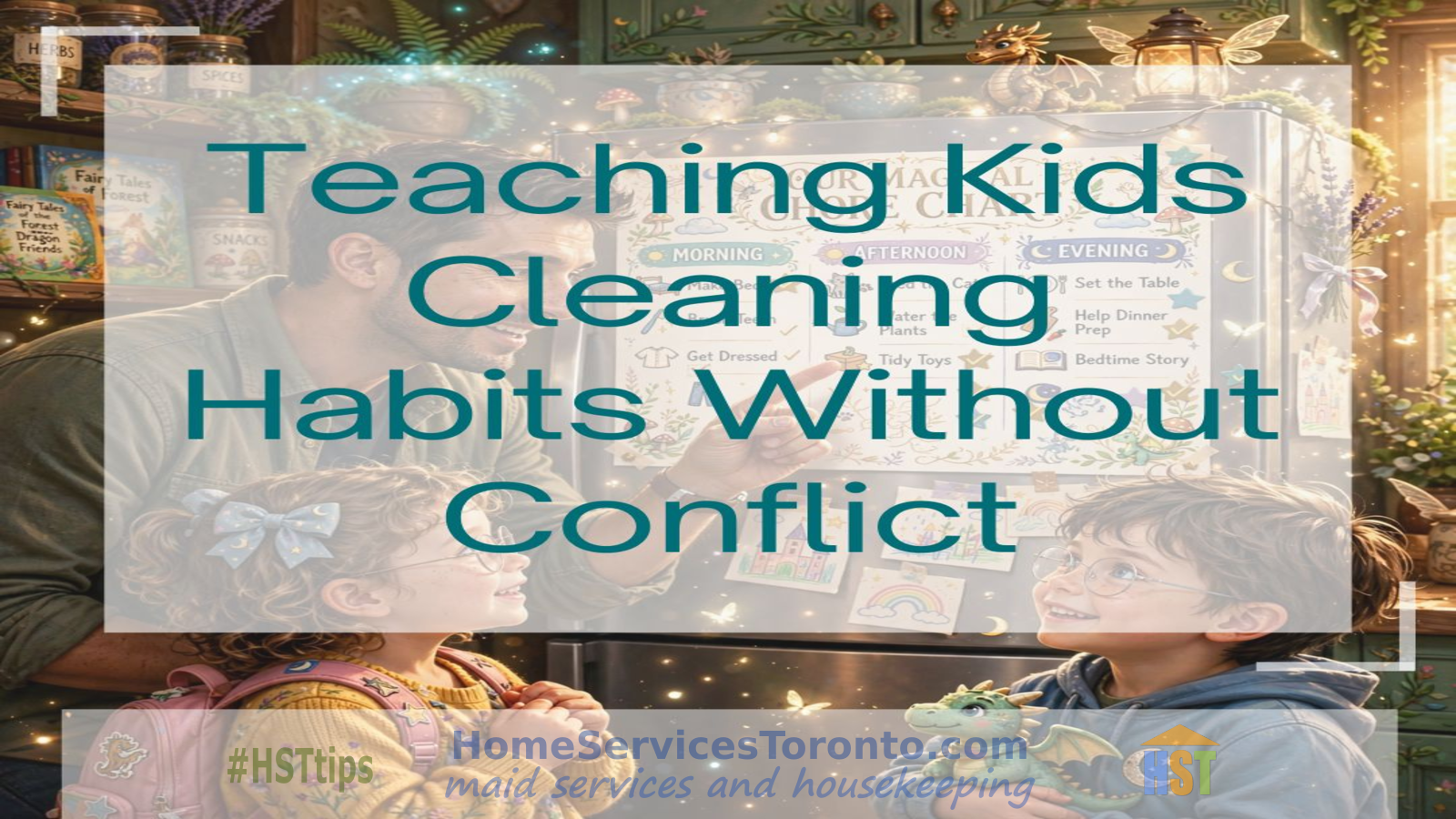
Teaching kids cleaning habits through play and routine builds lifelong responsibility.
Teaching children to clean up after themselves can feel like an uphill battle, especially when reminders quickly turn into arguments. Many parents want a tidy home, but they also want to maintain a positive relationship with their children. The good news is that building healthy cleaning habits does not have to involve constant conflict, raised voices, or endless negotiations. With patience, consistency, and realistic expectations, we can help children see cleaning as a normal part of everyday life instead of a punishment. By focusing on encouragement rather than pressure, families can create routines that build responsibility while keeping the atmosphere calm and supportive.
1. Build a positive foundation for cleaning habits
Make cleaning feel like teamwork
Children are much more likely to participate in household chores when they feel they are working alongside the rest of the family. Instead of presenting cleaning as something they have to do alone, we can frame it as a shared responsibility that benefits everyone. When parents join in, children naturally observe positive behaviors and begin to imitate them. This approach removes the feeling that chores are simply orders being handed down. Over time, cleaning becomes another family activity instead of a source of conflict.
Working together also creates valuable opportunities for conversation and connection. We can chat about school, hobbies, or weekend plans while folding laundry or tidying the living room. These relaxed moments help children associate household cleaning with positive experiences rather than frustration. As children become more comfortable with the routine, they often require fewer reminders. Teamwork builds both stronger family relationships and lifelong cleaning habits.
Start with simple age-appropriate tasks
Every child develops at a different pace, so assigning realistic responsibilities is essential. Younger children can begin by putting toys into bins, placing books on shelves, or carrying laundry to a basket. Older children can gradually take on additional responsibilities like making their beds, wiping tables, or organizing their school supplies. Matching chores to a child's abilities helps build confidence instead of discouragement. Success with small tasks creates motivation to handle larger responsibilities later.
Keeping expectations reasonable also prevents unnecessary frustration for both parents and children. When tasks are too difficult, children may resist simply because they feel overwhelmed. Breaking larger jobs into smaller steps makes them easier to understand and complete. Offering gentle guidance instead of criticism encourages continued participation. Small victories repeated consistently become lasting habits.
Create consistent daily routines
Children thrive when they know what to expect each day. Establishing predictable cleaning routines removes much of the negotiation that often surrounds chores. For example, toys can be put away before dinner, dishes cleared after meals, and backpacks organized before bedtime. Consistency helps children understand that cleaning is simply part of the daily schedule. Eventually, these routines require much less supervision.
Simple routines also reduce stress for parents because expectations remain clear. Instead of constantly deciding when cleaning should happen, everyone follows an established pattern. Visual charts or simple checklists can reinforce these habits for younger children. Repeating the same routine every day builds familiarity and confidence. Consistency remains one of the strongest foundations for teaching responsibility.
2. Turn cleaning into an enjoyable family activity
Use games and friendly challenges
Cleaning becomes much less intimidating when it feels like play instead of work. Young children especially enjoy activities that include timers, music, or simple competitions against the clock. We might challenge everyone to see how many toys can be picked up in five minutes or play a favorite song while straightening the family room. These small changes create excitement without placing unnecessary pressure on anyone. The goal is not to create winners and losers, but to make cleaning an activity that children look forward to.
Games also help reduce resistance because children become focused on the activity itself rather than the task they were asked to complete. Even older children often respond well to friendly challenges when the atmosphere stays positive. Rotating games keeps routines fresh and prevents boredom from setting in. Over time, the fun becomes associated with the cleaning habit itself. This makes regular household chores feel far less like an obligation.
Celebrate progress instead of perfection
Many parents unintentionally focus on what children missed instead of what they accomplished. While correcting mistakes has its place, recognizing effort encourages children to keep trying. Praising a child for putting away most of their toys or neatly organizing a bookshelf reinforces positive behavior. Children gain confidence when they feel their contributions are noticed and appreciated. That confidence often motivates them to improve naturally over time.
Perfection should never be the standard for young learners. Cleaning skills develop gradually through practice and repetition. We can gently demonstrate better techniques without making children feel they have failed. Positive feedback creates a safe learning environment where mistakes become opportunities rather than disappointments. Encouragement consistently produces better long-term results than criticism.
Keep expectations realistic and encouraging
Every family has different schedules, personalities, and energy levels. Some days children will complete every task eagerly, while other days they may need extra reminders or support. Accepting these natural ups and downs helps prevent unnecessary conflict. We should aim for steady progress rather than flawless performance. Consistency matters much more than occasional perfection.
Realistic expectations also help parents remain patient. Young children are still learning time management, organization, and responsibility. These important life skills cannot be mastered overnight. Offering guidance while maintaining a positive attitude builds resilience and confidence. Children who feel supported are generally more willing to participate again the next day.
3. Teach responsibility without creating power struggles
Offer choices that build independence
Children often cooperate more willingly when they have some control over how they complete their responsibilities. Instead of giving only one option, we can offer simple choices such as cleaning their bedroom before dinner or after homework. Another choice might involve deciding whether to vacuum first or organize their toys first. These small decisions help children feel respected while still accomplishing the necessary tasks. Giving appropriate choices reduces resistance without sacrificing expectations.
Offering choices also encourages problem-solving and independence. Children begin learning how to manage their own responsibilities rather than simply following instructions. As they gain confidence, they require less supervision and become more self-motivated. Parents can continue guiding while allowing children to take increasing ownership of their chores. This gradual independence prepares them for greater responsibilities in the future.
Stay calm during moments of resistance
Resistance is a normal part of childhood development and should not always be viewed as defiance. Children may feel tired, distracted, frustrated, or overwhelmed for many different reasons. Responding calmly helps prevent small disagreements from becoming larger conflicts. Taking a patient and respectful approach allows everyone to refocus on solving the problem together. Calm communication usually leads to much better cooperation.
Remaining consistent is equally important during challenging moments. Changing expectations because of resistance teaches children that persistence in refusing chores may eventually work. Instead, we can acknowledge their feelings while maintaining clear boundaries. Gentle reminders and steady routines reinforce the expectation without escalating emotions. Over time, children learn that cleaning remains part of everyday family life.
Lead by example every day
Children pay close attention to the habits they observe at home. When parents regularly tidy up, organize belongings, and care for shared spaces, children naturally begin to imitate those behaviors. Modeling positive habits sends a much stronger message than repeated lectures. It demonstrates that everyone contributes to maintaining a comfortable home. Children are much more likely to value cleanliness when they see it practiced consistently.
Leading by example also builds credibility. It is difficult to expect children to clean if adults rarely participate themselves. Working together reinforces the idea that household responsibilities belong to everyone. Even simple actions like putting shoes away or wiping kitchen counters demonstrate consistency. Daily examples often leave a lasting impression that shapes children's habits for years to come.
4. Build lasting habits through consistency
Use routines instead of repeated reminders
One of the easiest ways to reduce conflict around cleaning is to rely on routines instead of constant reminders. When children know that certain tasks happen at the same time every day, they begin to anticipate those responsibilities without being prompted as often. For example, shoes can be put away immediately after coming home, lunch containers emptied after school, and bedrooms tidied before bedtime. These routines remove much of the daily negotiation because the expectations are already clear. Over time, repeated actions become habits that require very little thought.
Consistent routines also help parents avoid feeling like they are always reminding or correcting their children. Instead of repeating instructions throughout the day, we can simply refer back to the established routine. This creates a calmer atmosphere because everyone understands what is expected. Children generally feel more confident when they know exactly what comes next. Predictability makes household responsibilities feel manageable rather than overwhelming.
Encourage problem-solving and accountability
Children learn valuable life skills when they are encouraged to solve small problems on their own. If a bedroom is cluttered, we can ask questions that help them think through the solution instead of immediately giving directions. Asking where certain items belong or how the room could be organized encourages independent thinking. These conversations build confidence while reinforcing responsibility. Children become active participants instead of passive followers.
Accountability should always be paired with encouragement rather than blame. When children forget a task, a calm reminder followed by an opportunity to complete it teaches responsibility without creating resentment. Natural consequences often work better than punishment because they help children understand the impact of their choices. We should also acknowledge improvements, even when progress is gradual. A supportive approach builds trust while strengthening long-term cleaning habits.
Adapt responsibilities as children grow
Children's abilities change quickly, and their household responsibilities should grow with them. Once challenging tasks eventually become routine, make room for new skills and greater independence. A preschooler who learns to put toys away may later become responsible for making their bed, helping with laundry, or loading the dishwasher. Gradually increasing expectations keeps children engaged and learning. It also prevents chores from becoming repetitive or unchallenging.
Reviewing responsibilities every few months allows families to adjust tasks based on maturity and schedules. Some children may enjoy organizing while others prefer vacuuming or helping in the kitchen. Recognizing individual strengths encourages greater participation and confidence. Flexibility helps ensure that responsibilities remain fair and appropriate. As children mature, they begin to see themselves as meaningful contributors to the household.
5. Create a peaceful home where everyone contributes
Balance chores with family time
Household responsibilities should support family life rather than dominate it. Cleaning is important, but it should never replace opportunities to relax, play, or spend quality time together. Setting aside a short daily cleaning period often works better than expecting children to spend hours doing chores. Once everyone contributes, the family can enjoy the benefits of a cleaner home together. This balance helps children develop positive attitudes toward responsibility.
Parents also benefit from maintaining realistic expectations. A lived-in home with children will not look perfect every hour of the day, and that is completely normal. Focusing on cleanliness instead of perfection reduces stress for everyone. Children learn that maintaining a comfortable home is more important than achieving flawless results. This perspective creates a healthier family environment.
Recognize every family member's effort
Everyone appreciates having their efforts noticed, including children. Offering genuine praise for consistent participation helps reinforce positive habits and strengthens self-confidence. A simple thank you or acknowledging a job well done can make a significant difference in a child's motivation. Recognition does not have to involve rewards or expensive incentives. Sincere appreciation often provides the greatest encouragement.
Celebrating teamwork also reminds children that every contribution matters. Whether someone emptied the dishwasher, folded towels, or organized the playroom, each task helps the household function more smoothly. Family members begin to value cooperation instead of comparing who did more work. This shared sense of accomplishment creates a stronger family culture. Children who feel appreciated are more likely to continue helping willingly.
Maintain habits for long-term success
Building lifelong cleaning habits is a gradual process that requires patience and consistency. There will be days when routines are interrupted by busy schedules, vacations, or unexpected events. Rather than viewing these moments as setbacks, we can simply return to our regular habits as soon as possible. Long-term success comes from persistence instead of perfection. Small daily actions create meaningful results over time.
As children grow into teenagers and eventually adults, the habits developed during childhood often stay with them. They become more capable of managing their own living spaces, respecting shared environments, and contributing responsibly wherever they live. These skills extend well beyond keeping a tidy home. They encourage organization, responsibility, time management, and self-discipline throughout life. By teaching cleaning with patience instead of conflict, we help children develop habits that will benefit them for many years.
Conclusion
Teaching kids cleaning habits without conflict is not about finding a perfect system or expecting instant results. It is about creating an environment where responsibility is learned through encouragement, consistency, and positive example. When we work together, establish predictable routines, celebrate effort, and adjust expectations as children grow, household chores become a normal part of family life instead of a daily battle. Every small success builds confidence and helps children develop practical skills they will carry into adulthood. With patience and persistence, we can create a cleaner home while strengthening our relationships and raising capable, responsible children.
Frequently Asked Questions
1. At what age should children start helping with cleaning?
Most children can begin with simple tasks around the age of two or three. Small responsibilities help build confidence and establish healthy habits early.
2. What if my child refuses to do chores?
Stay calm and remain consistent with your expectations. Offering limited choices and maintaining routines often reduces resistance over time.
3. Should children receive rewards for cleaning?
Occasional rewards can be motivating, but praise and recognition usually create stronger long-term habits. The goal is to help children see cleaning as a normal family responsibility.
4. How long should daily cleaning routines last?
Most families find that fifteen to thirty minutes of focused cleaning is enough for everyday maintenance. Short sessions are easier for children to manage and fit into busy schedules.
5. How can I make cleaning more enjoyable for young children?
Music, games, and friendly challenges can make routine chores feel fun and engaging. Keeping the atmosphere positive encourages children to participate willingly.
6. What chores are suitable for older children?
Older children can help with vacuuming, laundry, dishwashing, organizing their rooms, and preparing simple cleaning tasks. Responsibilities should match their maturity and abilities.
7. Why is consistency more important than perfection?
Consistent routines help children develop lifelong habits through regular practice. Perfection is unnecessary because steady progress produces lasting results.
Trusted home care services that support every family member
Keeping a clean and organized home becomes much easier when you have the right support in place. Whether you need regular help maintaining your living space or specialized assistance for a family member, professional services can make a meaningful difference. If your household includes elderly loved ones who need a gentler approach to home maintenance, exploring dedicated cleaning services for seniors ensures their comfort and safety are always prioritized. These services are designed with compassion and attention to detail, giving your entire family peace of mind.
For families looking to maintain a consistently tidy home week after week, regular house cleaning services provide a reliable solution that frees up your time for what matters most. With flexible scheduling options and professional-grade results, you can enjoy a spotless home without sacrificing your weekends. Combining consistent professional cleaning with the kid-friendly habits you are building at home creates a foundation that keeps your entire household running smoothly and peacefully.
Discover more home care tips
If you found these strategies for teaching kids cleaning habits helpful, you will love our other articles that explore the deeper connection between a clean home and a healthy mind. Learn about how clutter affects your mental health and why creating order in your living space can reduce stress for the entire family, including your children. You can also check out our guide on how to make your home feel self-maintaining, which pairs perfectly with the habit-building strategies we discussed above. And for a fun weekend project with the kids, try our tips on recreating hotel-fresh bathroom secrets at home, a simple way to show children that cleaning can feel rewarding and even luxurious.