
Make Cleaning Automatic
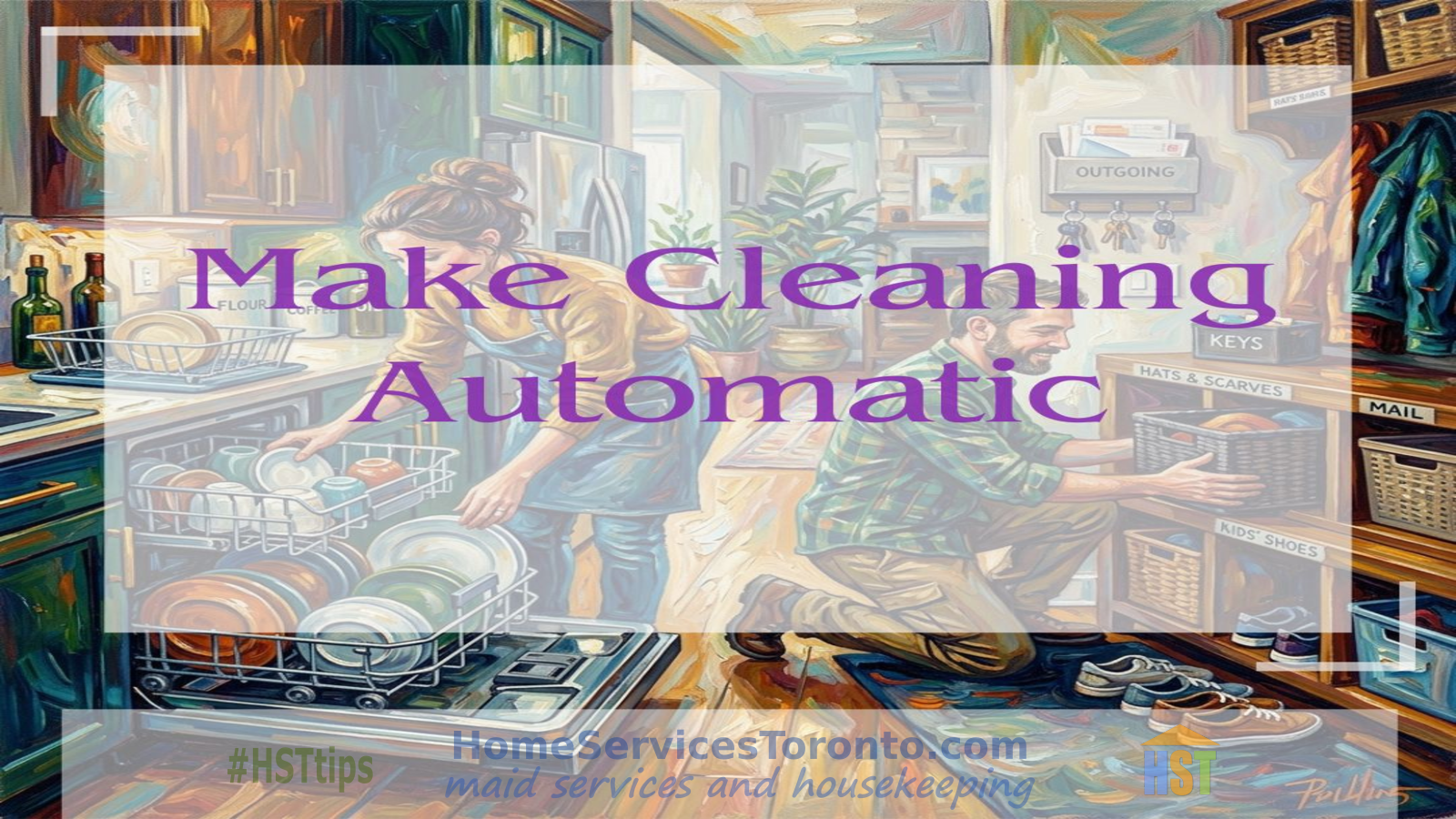
Simple habits that make everyday home cleaning easier
Cleaning can easily become one of those jobs we keep thinking about without ever feeling finished. We notice the crumbs on the kitchen floor, the fingerprints on the doors, the laundry waiting to be folded, and the dust collecting in places we don't usually look. When cleaning depends on motivation, it can feel like we have to make the same decision over and over again. A better approach is to make cleaning automatic by turning repetitive chores into simple habits that fit naturally into our everyday routines. When the system works well, we spend less time deciding what needs to be done and more time enjoying a home that feels comfortable, fresh, and under control.
The goal isn't to keep the house spotless every minute of the day. Real homes get messy, busy schedules happen, and unexpected tasks always seem to appear at the worst possible time. Instead, we can create a practical cleaning routine that quietly handles the basics before they become overwhelming. Small actions, consistent triggers, organized supplies, and shared responsibilities can make household cleaning much easier. Over time, these habits can become so familiar that we barely think about them.
1. Turn cleaning into a simple routine
Start with predictable cleaning triggers
One of the easiest ways to make cleaning automatic is to connect a task to something we already do every day. Instead of telling ourselves that we need to remember to wipe the kitchen counter, we can make it part of the routine after dinner. When the dishwasher is running, we might quickly wipe the counters and sweep the most visible crumbs from the floor. These small cleaning triggers work because they remove the need to decide when to start. The more consistently we repeat the same action after the same daily event, the more naturally it becomes part of our household routine.
We can use dozens of ordinary moments as cleaning triggers without adding much time to the day. Finishing breakfast can become the cue to load dishes, making the bed can remind us to put away clothing, and brushing our teeth at night can signal a quick bathroom counter wipe. The important thing is to keep the associated task small enough that we don't resist doing it. A cleaning habit that takes two minutes is much easier to repeat than a chore that feels like a major project. Once the connection becomes familiar, the action starts requiring less conscious effort.
Create small habits that fit your day
A common mistake is trying to build a cleaning routine that looks impressive on paper but doesn't fit real life. We might plan to clean the entire kitchen every evening, vacuum every room several times a week, and deep clean the bathrooms on a strict schedule. That can work temporarily, but an overly ambitious routine often collapses when work gets busy, family plans change, or we simply have a tiring day. Instead, we should start with the smallest useful version of each task. A few consistent minutes of cleaning can often accomplish more over time than an occasional burst of motivation.
Think about the areas of your home that become messy fastest and focus your automatic habits there first. If the kitchen counter is always cluttered, create a simple rule that nothing stays there overnight unless it belongs there. If shoes accumulate near the entrance, make putting them away part of coming home. If laundry constantly piles up, choose a regular point in the day when clothing goes into the hamper or gets folded. These small systems reduce the amount of cleaning we have to think about later.
Keep supplies easy to reach
Even a simple cleaning habit can disappear when the supplies required to complete it are inconvenient to find. If the bathroom cloth is hidden in a basement cupboard and the cleaner is stored somewhere else, wiping down the sink suddenly feels like a bigger task. We can remove that friction by keeping frequently used cleaning supplies close to the areas where they're needed. A small, organized collection of appropriate supplies can make everyday cleaning faster and more convenient. The easier it is to start a task, the more likely we are to complete it automatically.
We don't need a huge collection of products to maintain a clean home. A few versatile supplies, reusable cloths, a suitable vacuum, a broom, and other basic tools can handle many routine tasks. Keeping everything organized also prevents the frustrating search for missing supplies when we're already short on time. We can create small cleaning stations for high-use areas such as the kitchen and bathrooms. When the right tools are visible and accessible, cleaning becomes a normal part of moving through the home rather than a separate project that requires preparation.
2. Reduce the effort behind everyday cleaning
Give everything a practical home
Clutter creates extra cleaning because we have to move objects before we can clean the surface underneath them. When every item has a practical home, tidying becomes much easier, and surfaces stay cleaner for longer. We don't need complicated storage systems, either, because the best solution is often the simplest one. Baskets, drawers, shelves, hooks, and clearly defined spaces can make it obvious where things belong. When putting something away takes only a few seconds, we have much less reason to leave it sitting around.
A useful rule is to make the easiest choice the clean choice. If keys always land on the kitchen counter, placing a small tray near the entrance may solve the problem better than repeatedly reminding ourselves to put them elsewhere. If blankets end up on the sofa, a nearby basket can make putting them away almost effortless. We can also reduce the number of items competing for limited space by regularly removing things we no longer use. Less clutter means fewer objects to move, wipe, organize, and manage during routine cleaning.
Clean as you move through the house
Cleaning becomes much easier when we stop treating every chore as a separate event. As we move through the home, we can carry something that belongs somewhere else and put it away along the way. When leaving a room, we can take a glass, book, piece of clothing, or other misplaced item with us. This approach turns ordinary movement into small cleaning opportunities without requiring a dedicated cleaning session. Over the course of a day, these tiny actions can prevent clutter from accumulating.
The same idea works for surface cleaning and kitchen maintenance. While waiting for water to boil, we can wipe a nearby counter, rinse a utensil, or put away a few items. While waiting for the coffee machine, we might clear the breakfast area or load a couple of dishes. These moments aren't intended to turn every spare second into work, but they can make good use of short periods that would otherwise be idle. When we clean as we move, the home receives small amounts of attention throughout the day.
Use short cleaning sessions
Long cleaning sessions can be exhausting because they make the entire house feel like one enormous task. Short cleaning sessions change the experience by giving us a clear beginning and end. We can choose five, ten, or fifteen minutes and focus only on the most important tasks during that period. The goal isn't to finish everything, but to make noticeable progress without draining our energy. Once the timer ends, we can stop or continue if we genuinely want to.
Short cleaning sessions are particularly useful for busy households because they can fit into unpredictable schedules. A ten-minute kitchen reset after dinner may be enough to keep the room manageable until the next day. A quick bedroom tidy before getting ready for bed can prevent clothing and clutter from accumulating. We can also use short sessions to focus on one specific zone rather than trying to clean the entire home. This makes cleaning feel more achievable and helps create a reliable household cleaning routine.
3. Build automatic cleaning habits that last
Connect chores to existing routines
The strongest cleaning habits often piggyback on routines that already happen without much thought. We don't have to create an entirely new schedule when we can attach a cleaning action to something that's already established. For example, putting dishes away can follow the end of a dishwasher cycle, while wiping the bathroom sink can follow our morning routine. These connections give cleaning a natural place in the day. They also make it easier to remember because the existing routine acts as the reminder.
We should choose connections that feel logical rather than forcing ourselves into an inconvenient schedule. If mornings are always rushed, morning cleaning habits may be difficult to maintain. Evening routines might work better for some households, while others may have more flexibility during the afternoon. We can experiment until the timing feels natural. Once a cleaning task consistently follows the same trigger, we can stop relying so heavily on memory and motivation.
Use simple reminders and visual cues
Visual cues can help reinforce cleaning habits, especially when we're building a new routine. A small checklist on the refrigerator, a reminder on our phone, or a simple note near a cleaning station can keep important tasks visible. The goal isn't to cover the house with reminders, but to place a few useful cues where they can actually influence behavior. Over time, we may need those reminders less often. Eventually, the habit itself becomes the cue.
We can also use the condition of a space as a natural visual signal. A full laundry basket can mean it's time to start a load, while a cluttered entryway can signal a quick reset. A nearly empty supply of paper towels or cleaning cloths can remind us to replenish household supplies before we run out. These signals reduce the amount of mental tracking required. Instead of constantly wondering what needs to happen next, we respond to clear and predictable cues.
Make consistency more important than perfection
A cleaning system becomes much easier to maintain when we stop expecting ourselves to do everything perfectly. Some days will be productive, while other days will involve barely enough energy to handle the basics. That's normal, and a good routine should be flexible enough to survive those changes. We can focus on maintaining the most important habits even when we can't complete the entire cleaning list. Consistency over time is much more valuable than occasional perfection.
When something gets missed, we don't need to consider the whole system a failure. We can simply restart with the next available opportunity. If we skipped the evening kitchen reset, we can handle it the next morning or after lunch. If the bathroom didn't get cleaned on its planned day, we can move it to another convenient time. This mindset keeps a temporary interruption from turning into a long-term breakdown. The purpose of an automatic cleaning routine is to make life easier, not to create another source of pressure.
4. Share the cleaning workload
Give every household member clear responsibilities
Cleaning becomes significantly easier when the responsibility doesn't fall on one person. In a shared home, each person can contribute according to their age, ability, schedule, and comfort level. The most effective systems usually involve clear responsibilities rather than vague instructions to help more. Someone can handle dishes, another person can manage laundry, and another can take responsibility for quick bathroom or floor maintenance. When everyone understands what they're responsible for, fewer tasks get forgotten.
We can also divide cleaning by zones instead of assigning individual chores. One household member might look after the kitchen and dining area, while another handles bedrooms and another manages common spaces. This can make accountability simpler because everyone knows which areas they are expected to keep reasonably tidy. The system doesn't have to remain fixed forever, either. We can adjust responsibilities when schedules change or when certain tasks become too demanding.
Make cleaning easier for children
Children can learn that cleaning is a normal part of caring for a home when we give them manageable responsibilities. Young children might put toys into a basket, place dirty clothes in a hamper, or help wipe a safe surface. Older children can take on more involved tasks such as vacuuming, organizing their rooms, or helping with dishes. The goal isn't to expect perfect results, but to develop useful habits through repetition. When children see cleaning as an ordinary household responsibility, they can become more comfortable contributing.
We can make these routines easier by keeping expectations simple and specific. Instead of saying, "Clean your room," we might ask a child to put clothing in the hamper, return toys to their storage space, and clear the floor. Clear steps are easier to understand and complete than a broad instruction. We can also demonstrate the task and allow children to develop their own rhythm as they gain confidence. Over time, these habits can become automatic just like brushing teeth, getting dressed, or preparing for school.
Consider professional cleaning support
There are times when a household cleaning routine isn't enough, especially when schedules are demanding or the home requires more intensive attention. Professional cleaning services can provide valuable support by taking recurring or larger cleaning tasks off our plates. This doesn't mean we need to stop maintaining everyday habits ourselves. Instead, professional help can complement a simple routine by handling the work that takes more time and energy.
A professional cleaning service can also be useful when we're moving, preparing for an event, dealing with accumulated mess, or simply trying to reclaim personal time. We can maintain the daily basics while trained cleaners handle more extensive tasks. This approach can make the entire household cleaning system more sustainable. The right support isn't about giving up responsibility; it's about using our time and energy more thoughtfully.
5. Keep your home clean with less mental effort
Adjust your routine as your needs change
A cleaning routine should evolve because our lives rarely stay the same for long. Work schedules change, children grow, seasons shift, guests visit, and different rooms may require different levels of attention. A routine that worked perfectly six months ago may become inconvenient or unrealistic today. We can review our system periodically and adjust the timing, frequency, or responsibility of certain tasks. Flexibility helps the routine remain useful instead of becoming another rigid obligation.
We can also identify which tasks actually make the biggest difference to how the home feels. Maybe clean kitchen counters matter more to us than perfectly organized drawers, or a tidy entrance makes the whole house feel more welcoming. By focusing on high-impact tasks first, we can spend our limited time where it produces the greatest benefit. This helps us avoid wasting energy on chores that don't significantly improve the home's comfort. A practical cleaning system should reflect how we actually live.
Prevent small messes from becoming big jobs
Prevention is one of the most powerful ways to make cleaning automatic. Wiping a spill immediately is usually easier than removing a dried stain later. Putting an item away when we're finished with it takes less effort than sorting a large pile at the end of the week. Cleaning a small area regularly also reduces the need for aggressive scrubbing or lengthy deep cleaning sessions. These small preventive actions can save substantial time over the long term.
We can build prevention into ordinary household behavior. Using mats near entrances can reduce the amount of dirt brought indoors, while keeping food covered can help prevent unnecessary kitchen messes. Regularly emptying garbage, rinsing dishes promptly, and addressing clutter before it spreads can also reduce future cleaning demands. None of these actions needs to feel dramatic or difficult. Their real value comes from repetition and consistency.
Create a cleaning system you can actually maintain
The best cleaning system is one we can continue using even when life gets busy. It should have a small number of clear habits, practical expectations, accessible supplies, and enough flexibility to handle unexpected changes. We don't need a complicated schedule covering every square inch of the house every day. Instead, we need a system that keeps the most important areas under control while leaving room for deeper cleaning when necessary. Simplicity is often what makes a routine sustainable.
We can think of automatic cleaning as a system of small decisions that we've already made in advance. We know where things belong, when common tasks happen, who handles specific responsibilities, and what needs attention first. That reduces the mental load associated with keeping a home organized. When the routine becomes familiar, we spend less time thinking about cleaning and more time simply doing small actions at the right moments. That's when cleaning starts to feel less like a chore and more like an ordinary part of daily life.
Conclusion
Making cleaning automatic doesn't mean turning our homes into perfectly controlled spaces where nothing ever gets messy. It means creating simple systems that make everyday maintenance easier, faster, and less dependent on motivation. We can start with predictable triggers, accessible supplies, short cleaning sessions, clear storage, and realistic responsibilities. We can then build those habits into routines we already follow, adjust them when life changes, and bring in professional help when the workload becomes too much. The most effective cleaning routine isn't necessarily the most detailed one; it's the one we can realistically maintain week after week. When small cleaning actions become automatic, our homes can stay more comfortable while we spend less time worrying about what needs to be done.
Frequently Asked Questions
How can I make cleaning a daily habit?
Connect small cleaning tasks to routines you already perform, such as wiping the kitchen after dinner or putting clothing away before bed. Repeating the same action after the same trigger helps the behavior become more automatic.
How long should an automatic cleaning routine take?
There isn't one perfect duration, but short sessions of five to fifteen minutes can be surprisingly effective. The most important factor is choosing a routine that fits comfortably into your normal schedule.
Should I clean every room every day?
Most homes don't need every room cleaned thoroughly every day, and trying to do so can make the routine unnecessarily demanding. Focus daily attention on high-use areas and schedule less frequent tasks according to how quickly each space becomes dirty.
How do I stop clutter from making cleaning harder?
Give commonly used belongings an obvious and convenient place to return to after use. Reducing unnecessary items can also make surfaces easier to clean and keep organized.
Can professional cleaners help make cleaning automatic?
Yes, professional cleaning services can complement a household routine by handling recurring or intensive cleaning tasks. This can give household members more time to maintain simple daily habits and enjoy their home.
What should I do when I fall behind on cleaning?
Start with the most visible or important areas rather than trying to catch up on everything at once. A short reset can restore momentum without turning the recovery process into another overwhelming project.
Is a cleaning schedule better than cleaning when necessary?
A schedule can reduce the amount of mental effort required because it gives common tasks a predictable place in your routine. However, the best approach is usually a flexible schedule that also responds to actual household needs.
Discover our specialized home care services
When everyday cleaning takes more time than you want to give, professional support can help you keep your routine manageable without adding another responsibility to your schedule. Our regular house cleaning services are designed for households that want dependable help with recurring cleaning tasks. Consistent service can complement the automatic habits you build at home by keeping larger cleaning responsibilities in check. It's a practical option for busy households that want a cleaner, more comfortable space without constantly rearranging their schedules around chores.
For those moments when your home needs a more intensive reset, a one-time service can provide useful support without requiring an ongoing commitment. Our one-time house cleaning services can be a helpful choice when you've fallen behind, are preparing for guests, or simply want to give your home a thorough refresh. Combining occasional professional cleaning with simple daily habits can make household maintenance feel much more manageable. Together, these approaches give you flexibility while helping your home stay welcoming and comfortable.
Discover more home care tips
If you're looking for even more practical ways to simplify life at home, explore our guide to reclaiming your weekends from endless chores, learn helpful strategies for teaching kids cleaning habits without conflict, and discover how clutter can affect your mental health. These related home care tips can help you build better routines, share household responsibilities, and create a calmer living environment. Each guide offers practical ideas you can put into action without turning home maintenance into a full-time job. Together, they make a useful starting point for creating a cleaner, more organized, and more comfortable home.