
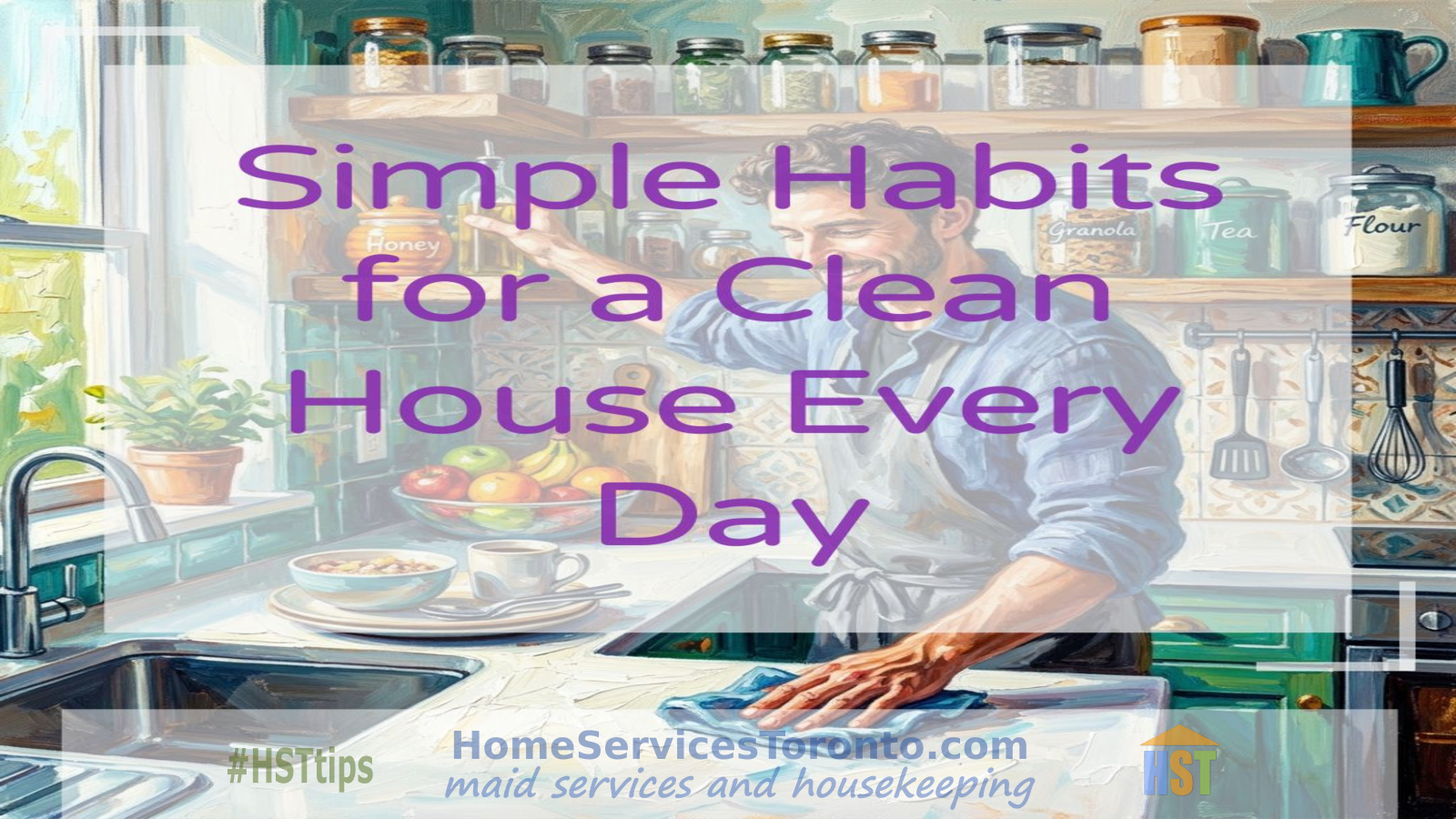
Small daily cleaning habits make it easier to enjoy a fresh, organized, and comfortable home.
Have you ever spent hours cleaning your house, only to find the kitchen messy, the living room cluttered, and the bathroom needing attention again the very next day? You're certainly not alone. Keeping a home clean can feel like a never-ending job, especially when we're juggling work, family responsibilities, errands, and everything else life throws our way. The good news is that maintaining a clean house doesn't have to mean spending every spare moment with a vacuum or cleaning cloth in hand. With a few simple daily cleaning habits, we can keep our homes comfortable, organized, and welcoming without turning housekeeping into a full-time job.
The secret is consistency, not perfection. When we handle small messes as they happen, organize our belongings, and follow a realistic cleaning routine, we prevent everyday clutter from becoming an overwhelming weekend project. We don't need an elaborate cleaning schedule or expensive products to make a noticeable difference. Instead, we can build manageable habits that fit naturally into our existing routines. Let's explore practical ways to keep a clean house every day while saving time, reducing stress, and making home feel like the relaxing place it should be.
1. Build simple daily cleaning habits that actually last
Start the day with a quick morning reset
A calm, organized morning can set the tone for the entire day. Before heading to work or starting household responsibilities, spend five to ten minutes putting things back where they belong. Straightening the living room cushions, clearing the kitchen counter, and placing dirty dishes in the dishwasher are small tasks that prevent clutter from accumulating. We can also open the curtains, let natural light into the rooms, and make sure frequently used surfaces are reasonably tidy. These simple morning cleaning habits help us begin the day feeling more organized rather than immediately facing a list of unfinished chores.
The trick is to keep our morning routine short enough to maintain even on busy days. We don't need to scrub the bathroom or vacuum the entire house before breakfast. Instead, we can focus on the tasks that make the biggest visible difference in a short amount of time. For example, wiping up a spilled drink, hanging up a coat, or returning yesterday's mail to its proper place takes very little effort. When we repeat these actions regularly, keeping the house clean starts to feel automatic. Over time, our morning reset becomes a natural part of getting ready for the day.
Make your bed and tidy your bedroom
Making the bed is one of the easiest ways to make a bedroom look cleaner almost instantly. Although it doesn't remove dust or replace regular laundry, a neatly arranged bed makes the entire room feel more orderly. We can smooth the sheets, arrange the pillows, and fold the duvet or comforter into place in just a couple of minutes. While we're there, we can pick up clothing from the floor, place dirty laundry in a hamper, and return books or accessories to their usual spots. These small actions help prevent bedroom clutter from spreading into other parts of the house.
A tidy bedroom can also make our evening routine more enjoyable. Walking into a peaceful space at bedtime feels different from entering a room filled with scattered clothes, empty cups, and miscellaneous belongings. We can make the habit easier by keeping a laundry basket nearby and using a small tray or organizer for everyday items such as keys, watches, and jewelry. It's also helpful to spend a minute preparing the bedroom for the next morning by choosing an outfit or clearing the bedside table. We don't need a perfectly styled bedroom to enjoy the benefits of an organized space. A few consistent habits are usually enough to make the room feel fresh and inviting.
Create small habits that prevent clutter
Clutter often develops because we postpone tiny decisions. We leave a jacket on a chair, put a package on the counter, or drop paperwork on the nearest available surface because we're busy doing something else. Individually, these actions seem harmless, but repeated throughout the week, they can leave our homes feeling disorganized. We can prevent this by adopting a simple rule: whenever we finish using something, we return it to its designated place. Hanging up a jacket, putting away a book, or sorting incoming mail takes only a moment when we do it immediately.
Another helpful habit is to keep frequently used surfaces as clear as possible. Kitchen counters, dining tables, coffee tables, and bathroom vanities tend to collect everyday items because they're convenient places to put things down. We can reduce this problem by deciding what genuinely belongs on each surface and relocating everything else. A small basket for incoming mail or a tray for frequently used toiletries can make a noticeable difference. We should also avoid treating empty surfaces as permanent storage areas. By dealing with clutter as it appears, we make daily house cleaning quicker and prevent small messes from turning into larger jobs.
2. Keep every room clean with a simple routine
Maintain a tidy kitchen throughout the day
The kitchen is one of the busiest areas of any home, so it deserves a little attention throughout the day. Cooking, preparing snacks, washing produce, and making coffee can quickly leave crumbs, spills, and dirty dishes behind. Rather than waiting until evening to deal with everything, we can clean as we go. Putting ingredients away after cooking, wiping up spills immediately, and rinsing dishes before food dries onto them make the final cleanup much easier. If we have a dishwasher, loading it as we use dishes helps prevent a pile from forming in the sink.
At the end of the day, we can spend five to ten minutes resetting the kitchen for the following morning. Wipe the counters, clean visible crumbs from the stovetop once it is cool, check the sink, and return frequently used items to their proper places. We should also wipe the dining table after meals and sweep the floor when crumbs accumulate. For hygiene, use appropriate cleaning products and separate cloths for food-contact surfaces and other areas, following product instructions. Raw meat juices and other potentially contaminated spills should be cleaned promptly and safely. A simple kitchen cleaning routine keeps the room pleasant to use and makes preparing the next meal feel less stressful.
Keep bathrooms fresh with quick daily tasks
Bathrooms can stay noticeably fresher when we handle moisture and everyday messes before they build up. After showering, we can use a squeegee on suitable glass surfaces, hang towels so they dry properly, and leave the room ventilated when possible. Wiping water spots from the sink and faucet helps prevent visible buildup, while returning toiletries to their usual places keeps the vanity organized. We can also quickly check the mirror for toothpaste splashes and remove any obvious marks. These tasks usually take only a few minutes, yet they make the bathroom look much better between deeper cleans.
Good bathroom habits also support everyday hygiene. We should clean frequently touched surfaces regularly, including faucet handles, toilet flush buttons, and door handles, using products appropriate for each surface. The toilet, shower, floor, and sink still need routine cleaning, but the frequency depends on how often the bathroom is used and the needs of the household. Keep bathroom cloths separate from kitchen cloths, and wash reusable cleaning materials according to their care instructions. Never mix cleaning chemicals, especially bleach with ammonia or acidic products, because dangerous gases can form. By combining quick daily maintenance with regular thorough cleaning, we can keep the bathroom cleaner without spending excessive time on it.
Make living rooms comfortable and clutter-free
Living rooms are often shared spaces where people relax, entertain guests, watch television, and spend time together. Because they serve so many purposes, they can quickly collect blankets, remote controls, toys, books, snack wrappers, and other everyday items. A short evening tidy-up helps keep the room comfortable and ready for the next day. We can fold blankets, arrange cushions, return remote controls to a tray, and collect cups or dishes that belong in the kitchen. If everyone contributes, these tasks can take just a few minutes.
We should also pay attention to the surfaces and floors that affect the room's overall appearance. Dusting frequently used tables, wiping visible fingerprints from suitable surfaces, and removing crumbs help maintain a fresh environment. Vacuuming doesn't necessarily need to happen every day in every household, but high-traffic areas may need more frequent attention, particularly when we have pets or children. We can also keep a small basket nearby for items that belong in other rooms, making it easy to collect them during the daily reset. Before bedtime, returning these items to their proper places prevents the living room from becoming a temporary storage area. A comfortable living room doesn't need to look perfect, but it should be easy to relax in and simple to maintain.
3. Make cleaning easier with smart daily routines
Follow the one-minute and five-minute cleaning rules
One of the easiest ways to build consistent cleaning habits is to match tasks to the time available. If something takes approximately one minute, such as hanging up a coat or wiping a small spill, we can usually do it immediately instead of postponing it. Slightly larger tasks, such as clearing the dining table or organizing the coffee table, can fit into a five-minute break. This approach reduces the mental effort involved in deciding when to clean because we no longer need to schedule every little task separately. Instead, we handle manageable jobs whenever an opportunity appears.
These short cleaning sessions are particularly useful on days when our schedules are full. We may not have time to vacuum every room, but we can still empty the kitchen sink, gather scattered belongings, or wipe down a frequently used surface. The goal isn't to complete an entire cleaning checklist during every break. It's to prevent the small jobs from accumulating until they require a much longer session. We can even set a timer for five minutes to make the routine feel more manageable. Once the timer ends, we can stop without feeling guilty about unfinished tasks, knowing that we've still made progress toward a cleaner house.
Clean as you go to save time later
Cleaning as we go means dealing with messes while we're already involved in an activity. When we prepare breakfast, we can return ingredients to the refrigerator and wipe the counter after use. When we finish a shower, we can hang the towel properly and rinse away visible residue before it dries. While waiting for a kettle to boil or food to heat, we might put away a few dishes or clear an unnecessary item from the counter. These small actions make better use of time that might otherwise be spent waiting. More importantly, they reduce the amount of work waiting for us at the end of the day.
This habit also makes household cleaning feel less like a separate activity. Instead of allowing several rooms to become messy and then tackling everything at once, we maintain a reasonable level of order throughout the day. Of course, we don't need to interrupt every activity to clean something immediately. Safety and convenience come first, particularly when we're cooking or caring for children. However, when a task can be completed easily without disrupting what we're doing, handling it right away usually pays off. The less time we spend managing accumulated mess, the more time we have for activities we actually enjoy.
Assign everyone simple household responsibilities
Maintaining a clean house becomes much easier when household responsibilities are shared fairly. If we live with a partner, children, roommates, or other family members, everyone can contribute according to their abilities and available time. One person might handle the dishes after dinner, while another clears the table or takes out the rubbish. Children can learn age-appropriate habits such as putting away toys, placing dirty clothes in a hamper, and returning books to a shelf. When responsibilities are clear, we spend less time reminding others what needs to be done.
A simple household chore list can help everyone understand their role without making the home feel overly regimented. We might divide responsibilities by room, by activity, or by the time of day when tasks naturally occur. For example, the person preparing dinner could wipe the counters afterward, while someone else loads the dishwasher. It's important to keep expectations realistic and communicate openly when a routine isn't working. We shouldn't expect every household member to clean in the same way or at the same speed. The aim is to create a cooperative environment where small contributions add up to a more comfortable home for everyone.
4. Organize your home to make cleaning effortless
Give everyday items a designated place
One of the most effective ways to reduce household clutter is to give frequently used items a consistent home. Keys can go in a bowl near the entrance, shoes can stay on a rack, and bags can be placed on designated hooks. Kitchen utensils, cleaning cloths, chargers, and paperwork should also have logical storage locations that make sense for the way we use them. When an item has an obvious place to return to, putting it away requires less thought. We also spend less time searching for missing belongings when we need them.
The best organizing system is one that works with our daily habits rather than against them. If we regularly drop our bags near the front door, installing hooks or placing a basket there may be more effective than expecting ourselves to carry everything to another room. If bathroom toiletries frequently collect on the vanity, a small organizer inside a nearby cabinet can make tidying much easier. We should also avoid creating unnecessarily complicated storage systems. A practical solution doesn't need dozens of labeled containers or perfectly arranged drawers. It simply needs to make everyday items easy to find, use, and put away.
Use baskets and storage solutions to control clutter
Storage baskets can be useful for keeping similar items together and preventing loose belongings from spreading throughout a room. A living room basket might hold blankets, while a hallway container could collect gloves, scarves, or other frequently used accessories. In children's spaces, accessible toy bins make it easier to tidy up at the end of the day. Drawer organizers can help control smaller items, and shelves can provide convenient storage for books and household essentials. These simple solutions help us create a more organized home without requiring a complete renovation.
However, adding storage doesn't automatically solve clutter problems. If we keep bringing new items into the house without reviewing what we already own, even the best organizers will eventually fill up. We can prevent this by periodically checking our belongings and donating, recycling, or responsibly disposing of things we no longer need. It's also worth choosing storage that fits the space rather than purchasing containers simply because they look attractive. Overfilled baskets and crowded shelves can make cleaning harder because we have to move too many items to reach the surfaces underneath. A few well-chosen storage solutions, combined with regular decluttering, can make daily housekeeping considerably easier.
Keep cleaning supplies accessible and organized
When cleaning supplies are easy to find, we're more likely to deal with small messes immediately. We can keep appropriate products and cloths in a designated storage area, with frequently used items placed where they're convenient to retrieve. For example, a kitchen cloth and a suitable surface cleaner can be stored in an accessible location away from food and out of children's reach. Bathroom supplies can be kept in a separate, secure area so we don't need to carry everything from room to room. This arrangement saves time and makes short cleaning sessions more practical.
We should also review our supplies regularly to avoid running out of essentials or buying unnecessary duplicates. A small collection of suitable products is often enough for routine maintenance, provided each one is compatible with the surfaces we clean. Always follow the manufacturer's directions, use adequate ventilation, and keep chemicals in their original labeled containers. Never combine cleaning products unless the manufacturers explicitly state that doing so is safe. Store all cleaning chemicals securely away from children and pets. An organized supply area makes everyday cleaning more convenient while helping us use products responsibly.
5. Create a realistic cleaning schedule for a cleaner home
Divide household chores into manageable tasks
A practical cleaning schedule helps us maintain the house without trying to do everything at once. Instead of reserving every chore for the weekend, we can spread tasks across the week according to how much time and energy we have available. Daily responsibilities might include washing dishes, wiping kitchen counters, putting away clutter, and checking the bathroom. Weekly tasks could include vacuuming throughout the home, changing bed linens, cleaning bathroom fixtures thoroughly, and mopping appropriate floors. Less frequent jobs, such as cleaning inside the refrigerator or washing window coverings, can be planned separately.
The most useful schedule is one that reflects our household's actual needs. A busy family with pets may need to vacuum more often than someone living alone in a small apartment. Similarly, a kitchen used for several meals each day may require more frequent attention than a room used occasionally. We can begin with a basic routine and adjust it after a week or two to see what works. There's no need to follow an elaborate cleaning chart simply because it works for someone else. By dividing chores into manageable tasks, we can maintain a clean house without creating an unrealistic workload.
Adjust your routine to fit your lifestyle
Our cleaning routines should support our lives, not make them more stressful. Some days we'll have plenty of energy to clean, while other days we may be dealing with work deadlines, family commitments, illness, or unexpected problems. A flexible routine allows us to focus on essential tasks without feeling that we've failed whenever we miss something. We can identify a few priorities, such as keeping food preparation surfaces clean, managing dishes, and removing rubbish when necessary. Other jobs can wait until we have more time.
It can also help to establish a minimum cleaning routine for particularly busy days. For example, we might spend five minutes clearing the kitchen, five minutes gathering clutter, and a few minutes preparing the living room for the next day. If we have more time, we can tackle additional tasks, but we don't need to make every day a major cleaning session. We should remember that a clean home is not necessarily a spotless home. A little flexibility makes it easier to maintain our habits consistently over the long term. When our circumstances change, we can adjust the schedule instead of abandoning it altogether.
Know when professional cleaning services can help
Even with good daily habits, there are times when household cleaning becomes difficult to manage. Work commitments, family responsibilities, mobility limitations, and larger seasonal cleaning projects can leave us with less time than we'd like. Professional cleaning services can help by handling tasks that require additional time, equipment, or experience. Depending on our needs, we might arrange a one-time deep clean, regular house cleaning, or assistance with a specific project. Having professional support doesn't mean we've failed to maintain our home. It simply gives us another practical option when we need a little help.
We can decide whether professional cleaning is worthwhile by looking at the tasks that take the most time or cause the most stress. Some households benefit from scheduled visits that cover bathrooms, kitchens, floors, and other frequently used areas. Others may only need help before a special event, after a renovation, or during a seasonal reset. Before choosing a service, we should compare the scope of work, pricing, availability, and customer reviews, and confirm exactly what's included. We can also explain our priorities so the service focuses on the areas that matter most to us. Combining professional help when needed with simple daily cleaning habits can make maintaining a comfortable home much more manageable.
Conclusion
Keeping a clean house every day doesn't require hours of work or an elaborate housekeeping system. We can make a meaningful difference by starting with small habits, such as making the bed, cleaning as we go, wiping kitchen counters, and returning belongings to their proper places. Organizing everyday items and keeping cleaning supplies accessible can make these tasks even easier. A realistic schedule helps us balance essential daily maintenance with deeper cleaning throughout the week. Most importantly, we should remember that consistency matters more than perfection. When we build routines that fit our lives and ask for help when necessary, we can enjoy a cleaner, more organized home without letting household chores take over our day.
Frequently asked questions
1. How can we keep a house clean when we're busy?
Focus on a few essential tasks each day, such as washing dishes, wiping kitchen counters, and putting away clutter. Short cleaning sessions of five to ten minutes can prevent messes from accumulating without taking up too much time.
2. How many minutes should we spend cleaning every day?
Many households can make noticeable progress with 15 to 30 minutes of daily maintenance, depending on the home's size and activity level. The right amount is whatever helps us manage everyday messes while leaving time for other responsibilities.
3. Is it better to clean every day or once a week?
A combination of daily maintenance and weekly deeper cleaning generally works well for most households. Daily tasks control clutter and spills, while weekly sessions address areas that need more thorough attention.
4. What should we clean first when the house is messy?
Start with rubbish, dirty dishes, and items that are out of place because these tasks can quickly improve the appearance of a room. Afterward, focus on frequently used surfaces and floors, prioritizing any spills or hygiene concerns.
5. How can we keep our house clean with children or pets?
Use accessible storage, washable household textiles where appropriate, and short cleanup routines that everyone can participate in safely. You may also need to clean floors, upholstery, and frequently touched surfaces more often depending on everyday activity.
6. What is the easiest way to prevent household clutter?
Give everyday belongings designated storage locations and return items to those places immediately after use. Regularly reviewing your possessions and letting go of things you no longer need can also prevent clutter from returning.
7. When should we consider hiring a professional house cleaner?
Professional cleaning may be useful when our schedules are busy, certain tasks have become difficult, or we need help with a deeper clean. We can choose occasional or recurring services according to our household's needs and budget.
Discover home care services tailored to your household
Keeping a clean house is easier when we combine simple daily habits with the right support for our individual needs. Whether we're looking for occasional assistance or a dependable routine, professional regular house cleaning services can help us maintain tidy rooms, fresh surfaces, and a welcoming home. For those times when everyday maintenance isn't enough, one-time house cleaning services offer a practical option for tackling accumulated mess or preparing for a special occasion. We can choose the level of help that suits our schedule, priorities, and household. With the right support, it's easier to enjoy a clean, comfortable living space without feeling overwhelmed by chores.
Discover more home care tips
Building a clean and comfortable home becomes easier when we develop habits that everyone can follow and maintain. Start by exploring our guide to teaching kids healthy home habits, with practical ideas for encouraging children to help keep shared spaces tidy. You can also learn how to keep dust away longer with smart cleaning tips, helping your home stay fresher between cleaning sessions. For another useful perspective, discover how to boost mental clarity with a clean and healthy home and create a more relaxing environment for everyday life. These helpful resources offer more ways to build simple routines, reduce household stress, and make your home a more enjoyable place to live.