
Teach Kids Healthy Home Habits
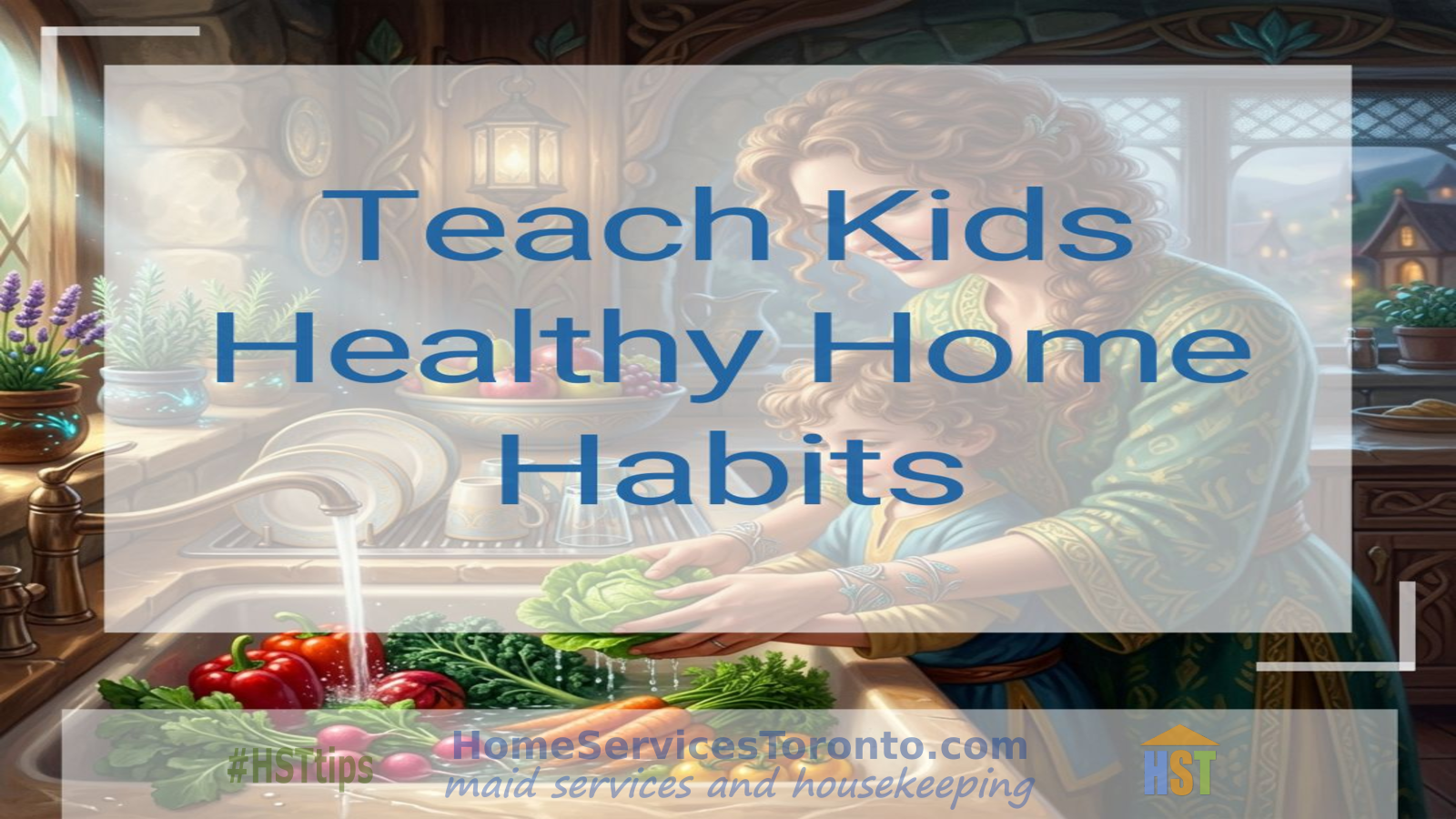
Make healthy home habits fun with simple family cleaning routines.
Teaching kids healthy home habits is one of the most valuable things we can do for their future. A tidy bedroom, clean hands, toys put away, and a kitchen table wiped after meals might seem like small things, but these everyday actions help children develop responsibility, confidence, and respect for their surroundings. We don't need a perfectly spotless home to raise children who understand the importance of cleanliness. What matters most is creating simple routines that fit naturally into family life. When we teach these habits with patience, encouragement, and a little creativity, children begin to see caring for their home as a normal part of their day rather than a chore they want to avoid.
Healthy home habits also support a more comfortable living environment for the entire family. Regular tidying can reduce clutter, while appropriate cleaning routines help manage dust, food messes, and other common household concerns. Children learn best when we show them what to do, explain why it matters, and give them opportunities to practice independently. Let's explore practical ways to teach kids healthy home habits, make household chores enjoyable, and build routines that can last well into adulthood.
1. Why healthy home habits matter for children
How a clean home supports health and well-being
A reasonably clean home gives children a more comfortable place to play, learn, relax, and sleep. When we regularly remove food crumbs, wipe frequently touched surfaces, and keep floors free of clutter, we help manage everyday dirt and reduce opportunities for pests to find food. Good hygiene habits, such as washing hands before eating, can also help limit the spread of germs. Children don't need to understand every detail of household sanitation to benefit from these practices. We can explain the basics in simple language and connect each task to something they experience daily, such as having a clean place to eat or a comfortable bed at night. By keeping our expectations realistic, we teach children that a healthy home is about consistent care rather than perfection.
Building responsibility through everyday routines
Children develop responsibility when they have regular opportunities to contribute to family life. Putting away shoes, returning books to a shelf, or placing dirty clothes in a laundry basket shows them that their actions make a difference. We should begin with small, achievable tasks and gradually introduce more responsibility as their skills improve. Younger children may need reminders and hands-on demonstrations, while older children can often manage several parts of a daily routine independently. It's helpful to explain that everyone who lives in the home contributes to keeping it comfortable, rather than suggesting that cleaning is one person's job. Over time, these everyday responsibilities can encourage independence, cooperation, and pride in a job well done.
Making healthy habits part of family life
Healthy home habits are easier to maintain when they become a normal part of the family's schedule. Instead of asking children to clean an entire room unexpectedly, we can build a few minutes of tidying into familiar moments, such as before bedtime or after playing. Predictable routines reduce uncertainty and help children understand what is expected of them. We can also use visual checklists with pictures for younger children and written lists for older ones. When the whole family follows similar routines, children see that adults also take responsibility for maintaining shared spaces. The goal is to create a supportive home environment where good habits develop naturally through repetition, rather than relying on constant reminders or arguments.
2. Teach kids simple daily cleaning habits
Making the bed and keeping bedrooms tidy
A child's bedroom is an excellent place to begin teaching basic cleaning skills because the space is familiar and the tasks are easy to see. We can start by showing children how to straighten their blankets, arrange pillows, and place pajamas in a designated spot. Younger children might need help pulling up a heavy comforter, but they can still participate in smaller steps. Keeping books, toys, and clothing in clearly defined places also makes it easier to maintain an organized bedroom. Rather than expecting everything to look perfect, we should focus on habits that improve comfort and make belongings easier to find. A short morning routine can help children begin the day with a sense of accomplishment and make evening tidying less overwhelming.
Putting toys, books, and belongings away
Toys and other belongings can quickly spread throughout a home, especially when children move between different activities. We can make tidying easier by providing accessible storage baskets, labelled containers, low shelves, and designated places for frequently used items. Teach children to return one activity's materials before starting another, such as putting away building blocks before bringing out art supplies. For younger children, turning cleanup into a simple sorting game can make the process more enjoyable. Older children can take responsibility for checking their play areas and deciding which items need to be stored or organized. When every belonging has a practical home, children are more likely to develop lasting organization habits and spend less time searching for missing toys.
Cleaning up after meals and snacks
Mealtimes offer regular opportunities to teach children that cleaning up is part of eating. We can encourage them to carry their own dishes to the kitchen, place food scraps in the appropriate bin, and wipe small spills with a suitable cloth. Younger children may need help carrying dishes safely, while older children can learn to load appropriate items into the dishwasher or assist with simple kitchen tasks. Explain that cleaning up promptly helps prevent sticky surfaces, unpleasant smells, and unwanted pests. We should also teach children to ask an adult for help with broken glass, hot cookware, sharp utensils, or unfamiliar cleaning products. By making cleanup a normal part of every meal, we help children understand that everyone can contribute to a cleaner, more pleasant kitchen.
3. Help children develop good hygiene habits
Teaching proper handwashing and personal hygiene
Handwashing is one of the most important healthy home habits children can learn. Show them how to wet their hands, apply soap, scrub all surfaces, rinse thoroughly, and dry their hands with a clean towel. Encourage handwashing before eating or preparing food, after using the toilet, after playing outside, and whenever their hands are visibly dirty. Singing a short song or using a simple timer can help younger children spend enough time washing their hands properly. We can also explain that brushing teeth, bathing regularly, changing into clean clothes, and keeping fingernails clean are important parts of personal care. Children are more likely to follow these habits when supplies are easy to reach, and adults demonstrate the same routines themselves.
Keeping bathrooms clean and organized
The bathroom provides an opportunity to teach children how personal hygiene and shared household responsibilities work together. Simple habits include hanging up towels, putting toiletries away, placing dirty clothing in a laundry basket, and leaving the sink area tidy after use. We can demonstrate how to rinse toothpaste from the sink and explain why wet floors should be reported or dried promptly to help prevent slips. Younger children should receive assistance with tasks that require reaching high surfaces or handling cleaning products. Older children can learn to check that toilet paper and clean hand towels are available and to tell an adult when something needs attention. These small actions help children understand that a clean bathroom is a shared responsibility, not something that magically happens after they leave.
Encouraging healthy habits in the kitchen
Children can learn valuable hygiene habits by participating in simple, supervised kitchen activities. We can teach them to wash their hands before handling food, rinse suitable fruits and vegetables under running water, and keep food away from dirty surfaces. They should also learn not to lick their fingers while preparing food, share utensils that have touched raw ingredients, or return used utensils to clean containers. Depending on their age and ability, children may help set the table, arrange snacks, or put away safe, lightweight items. Adults should handle hot appliances, sharp knives, raw meat preparation, and cleaning chemicals until children are appropriately trained and supervised. When we connect kitchen cleanliness to preparing enjoyable family meals, children can develop healthy habits alongside practical life skills.
4. Make household chores fun and age-appropriate
Choosing chores that match your child's age
Children are more likely to succeed when household tasks match their physical abilities, attention span, and level of independence. Toddlers can help put toys into a basket, while preschoolers may be ready to put dirty clothes in a hamper or wipe a small table with a damp cloth. School-aged children can often organize their belongings, make their beds, help sort laundry, and assist with basic meal cleanup. Older children may gradually learn to vacuum, sweep, prepare simple snacks, or follow a supervised cleaning checklist. We should adjust expectations for each child rather than comparing siblings or assuming that every child develops skills at the same pace. Safety always comes first, so children should not handle bleach, concentrated detergents, dangerous tools, or heavy equipment without appropriate safeguards and supervision.
Turning cleaning into a fun family activity
Household chores don't have to feel like a long list of boring jobs. We can play upbeat music during a ten-minute tidy-up, challenge family members to sort toys by colour, or turn laundry sorting into a matching game. A visual timer can help children understand that a task has a clear beginning and end. For older kids, we might create a family cleaning playlist or let them choose which suitable chore they'd prefer to complete first. It's important to keep these activities lighthearted and avoid turning every household responsibility into a competition that causes stress or disappointment. When we participate together and celebrate the shared result, cleaning becomes an opportunity for connection as well as a practical way to maintain a healthy home.
Using praise and routines to build consistency
Positive encouragement can help children feel capable and motivated as they learn household responsibilities. Instead of offering only general praise, we can point out specific actions, such as remembering to put shoes away or wiping the table carefully after lunch. These comments help children recognize what they did well and understand which habits are worth repeating. Simple reward systems, such as stickers on a weekly checklist or choosing a family activity after completing regular tasks, may help some children stay engaged. We should avoid using rewards as the only reason to help, because the long-term goal is to build an understanding of shared responsibility. When children forget or make mistakes, we can calmly demonstrate the task again and give them another opportunity to practice.
5. Create a healthy home that lasts
Establishing simple daily and weekly schedules
A manageable cleaning schedule helps families maintain a comfortable home without expecting children to do too much at once. Daily tasks might include making beds, putting toys away, clearing dishes, and hanging up towels after bathing. Weekly responsibilities could involve changing bedding with adult help, organizing school supplies, dusting reachable surfaces, or assisting with vacuuming. We can use a family calendar, a printed checklist, or a whiteboard to make expectations visible to everyone. It's also useful to leave room for busy school days, family outings, illness, and other unexpected changes. A flexible routine is more sustainable than an ambitious schedule that quickly becomes frustrating, so we should focus on the habits that make the biggest difference to our household.
Teaching children to respect shared spaces
A healthy home includes bedrooms and personal belongings, but it also depends on how everyone treats common areas. We can teach children to put away craft supplies after use, avoid leaving food in bedrooms, keep walkways clear, and return shared items to their usual locations. Explain that these habits help everyone enjoy the living room, kitchen, bathroom, and other spaces comfortably. Children can also learn to consider other family members by keeping noise reasonable during quiet times and asking before borrowing belongings. When disagreements arise over clutter or shared responsibilities, we can work together to establish clear expectations that feel fair. This approach teaches children that maintaining a home isn't simply about removing dirt, but also about respecting the people who live there.
Leading by example and celebrating progress
Children learn a great deal by observing the adults around them, especially when it comes to everyday routines. If we regularly put things away, wash our hands, clean up spills, and take care of shared spaces, our actions reinforce the lessons we teach. We can talk through what we're doing, explaining why we wipe a kitchen counter after preparing food or put laundry in the hamper instead of leaving it on the floor. It's equally important to acknowledge progress rather than expecting immediate perfection. If a child forgets a task, we can offer a friendly reminder and help them return to the routine without shame or unnecessary criticism. As children become more independent, we can gradually increase their responsibilities and celebrate how their contributions help make the whole home more comfortable.
Conclusion
Teaching kids healthy home habits doesn't require expensive supplies, complicated chore charts, or a perfectly organized house. We can begin with simple actions, such as washing hands, putting toys away, keeping bedrooms tidy, and helping clean up after meals. By choosing age-appropriate tasks, establishing predictable routines, and offering patient encouragement, we give children the tools to become more confident and responsible. These habits also support a cleaner, more comfortable living environment that benefits everyone in the family. Most importantly, we should remember that children learn through practice, mistakes, and example, so consistency matters more than perfection. When we make caring for our home a shared family effort, we're teaching skills that children can carry into adulthood and use wherever life takes them.
Frequently asked questions
At what age should children start learning household habits?
Children can begin helping with very simple tasks, such as putting toys in a basket, as soon as they're able to participate safely. As they grow, we can gradually introduce more challenging responsibilities that match their abilities.
How can we encourage a child who refuses to clean?
We can offer two manageable choices, break the task into smaller steps, and explain what needs to happen in a calm, positive way. Consistent expectations and working alongside the child can make the process feel less overwhelming.
How much time should children spend on chores each day?
A few minutes of age-appropriate tidying can be enough for younger children, while older children may manage longer tasks. The right amount depends on the child's age, school schedule, abilities, and the family's needs.
Should children receive money for completing household chores?
Families can choose whether to connect pocket money to additional jobs, but basic shared responsibilities can be part of everyday family life. This distinction helps children understand that everyone contributes to a comfortable home while still learning about earning and saving.
What cleaning products are safe for children to use?
Children can often help with plain water and suitable cloths under adult supervision, depending on the task. Cleaning chemicals, disinfectants, and other potentially hazardous products should be kept out of reach and used according to their labels.
How can we teach healthy habits without making children anxious about dirt?
We can describe cleaning as a practical way to care for ourselves and our home rather than suggesting that ordinary dirt makes everything dangerous. A balanced approach encourages good hygiene without creating unnecessary fear or pressure for perfection.
What if our family struggles to maintain a cleaning routine?
We can start with two or three essential habits and attach them to activities that already happen every day. Once those habits become familiar, we can add other tasks gradually and adjust the schedule when family circumstances change.
Discover our specialized home care services
Involving children in everyday cleaning builds healthy home habits, but families sometimes need extra support to keep everything running smoothly. Our regular house cleaning services help keep living spaces tidy, reduce the burden of recurring household chores, and give families more time to enjoy meaningful activities together. For occasions when your home needs a more thorough refresh, our spring cleaning services can help tackle accumulated dust, overlooked areas, and seasonal cleaning tasks. With the right professional support, it's easier to maintain a welcoming home while teaching children the everyday habits that keep it comfortable and organized.
Discover more home care tips
Building healthy home habits is even easier when we understand how everyday cleaning contributes to a comfortable living environment. Explore our guide to keeping dust away for longer with practical cleaning tips, discover how a clean and healthy home can support mental clarity, and learn more about the benefits of a healthier living space in our article on cleaning for better health. These helpful resources offer practical ideas for managing household mess, improving everyday routines, and creating a more pleasant home for the whole family. Combine these tips with age-appropriate chores and consistent family habits to make home care easier to manage. And when you need an extra hand, professional cleaning services can help you maintain a fresh, comfortable space for everyone.